

Different Shadows
Kids' Zone · Interactive
- DimensionsSubject to on-site plan
- PresentationInteractive
- PricingQuoted by manufacture spec
Purpose & Scientific Principle
The exhibits allow the audience to understand the changes in shape at different angles through electromechanical interaction. Let children view the same thing from different angles and observe their changes, thereby discovering that shapes are diverse and have special structural characteristics, and cultivating children's observation and thinking abilities.
How to Operate
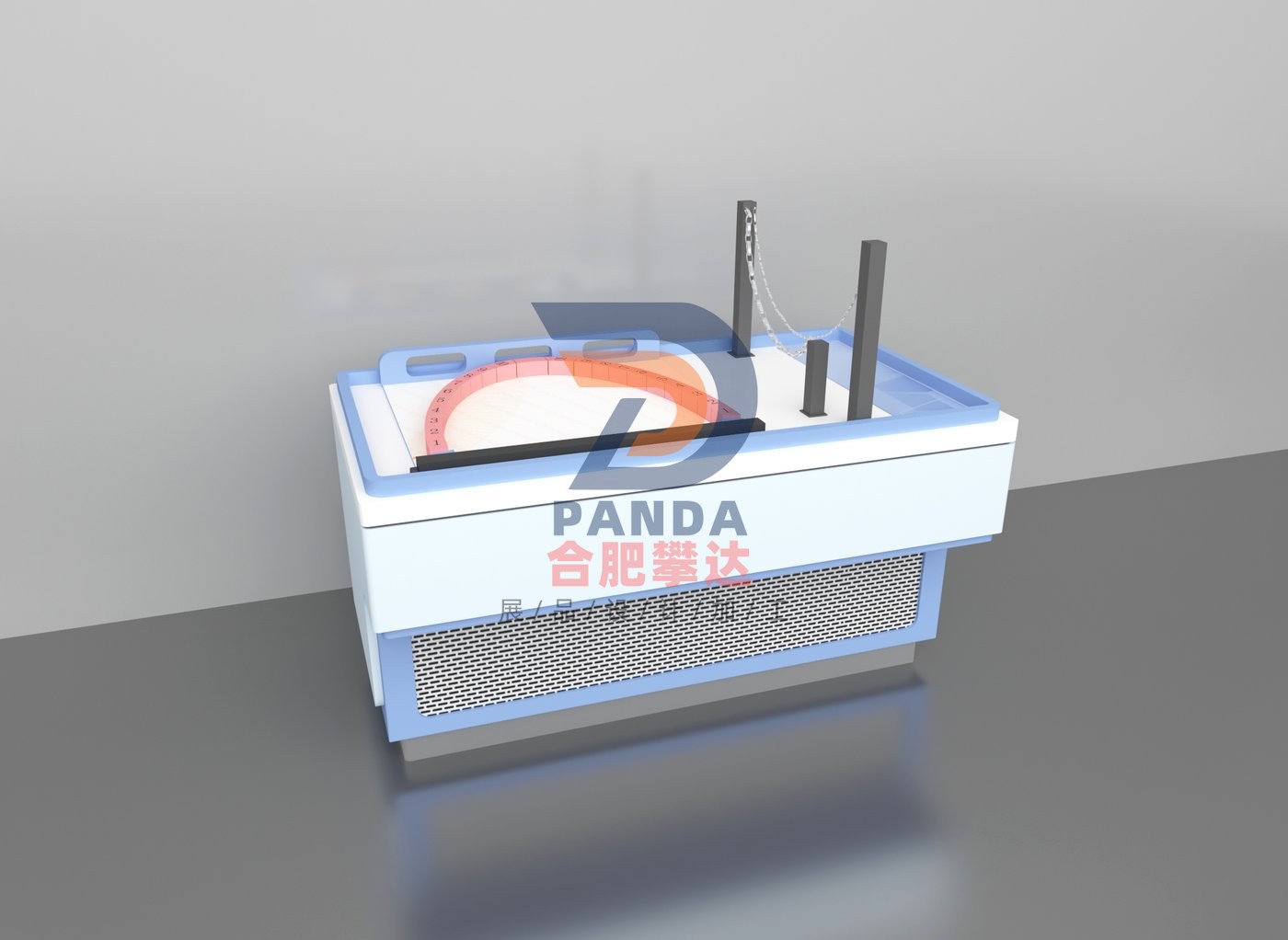
The exhibits are composed of styling booths, lighting devices, interactive modules, projection surfaces and other parts.
The exhibits consist of booths, lighting devices, interactive modules, projection surfaces and other parts. The audience moves the interactive module forward, left, and right or rotates the light-emitting device to observe the changes of its shadow on the projection surface, and explore the relationship between the size of the shadow formed on the baffle and the position of the baffle. At the same time, the audience can interact with the hand shadow game.
Shadow is a darker area formed because an object blocks the transmission of light and cannot pass through opaque objects. It is what we often call shadow. It is an optical phenomenon. Shadow formation requires two necessary conditions: light and an opaque object. It is divided into two types: umbra and penumbra: if you carefully observe the shadow under electric light, you will also find that the middle of the shadow is particularly dark and the surrounding area is slightly lighter. The particularly dark part in the middle of the shadow is called the umbra, and the surrounding gray part is called the penumbra. The occurrence of these phenomena is closely related to the linear propagation of light.
Related Exhibits
Need a quote for this piece or a full exhibit configuration? Tell us your venue area, theme direction, and budget range.