
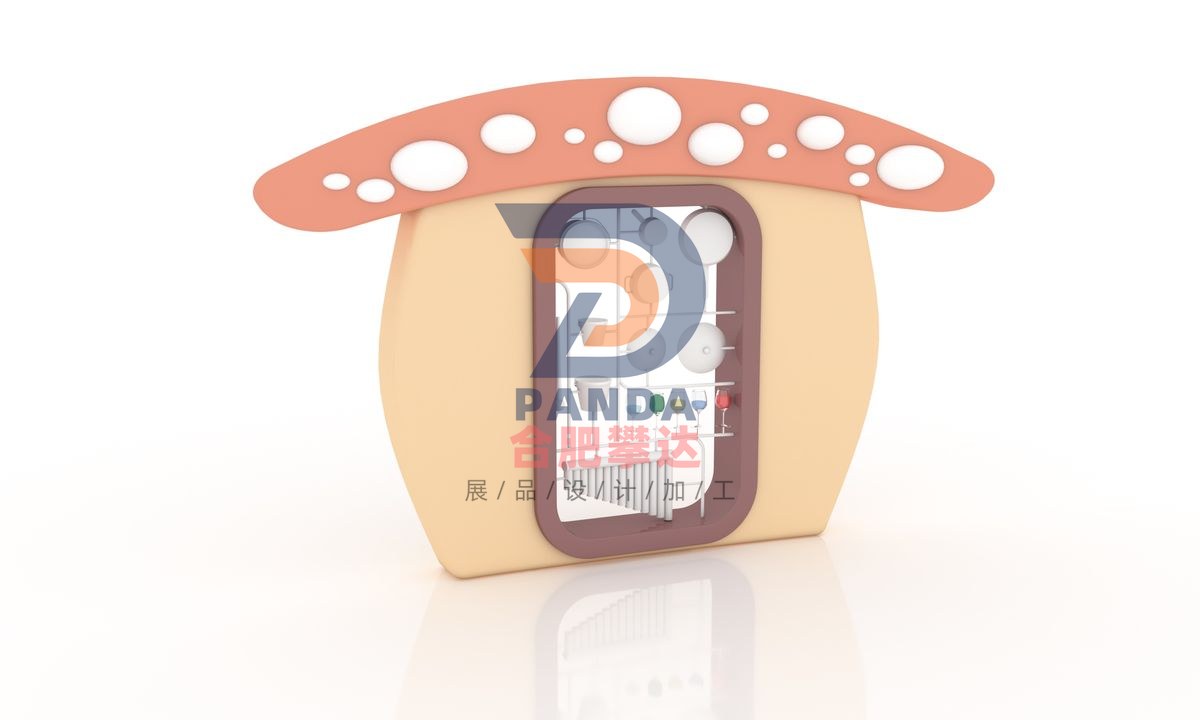
Notes in life
Kids' Zone · Interactive
- DimensionsSubject to on-site plan
- PresentationInteractive
- PricingQuoted by manufacture spec
Purpose & Scientific Principle
Through physical tapping, you can understand the basic characteristics of music, distinguish noise and tones, understand dubbing, foley, arrangement, composition, etc., and use the provided software and props to create your own sound works.
How to Operate
The exhibition items are set up on the second floor of the forest cabin. Some real objects in daily life (such as bowls, quilts, quilts containing different volumes of water) and knocking boards are placed on the display racks. Children hit different objects to make sounds and think about why the sounds are different.
Notes are used to record the progression symbols of sounds of different lengths. There are note heads and stems, eighth notes and notes with smaller beats including notes. Notes include three components, namely head, stem and tail. The types of notes are divided by beat, such as whole notes are four beats; half notes are two beats, etc. In addition, the protagonist in the Japanese anime "Segawa Note" is also named Note.
Related Exhibits
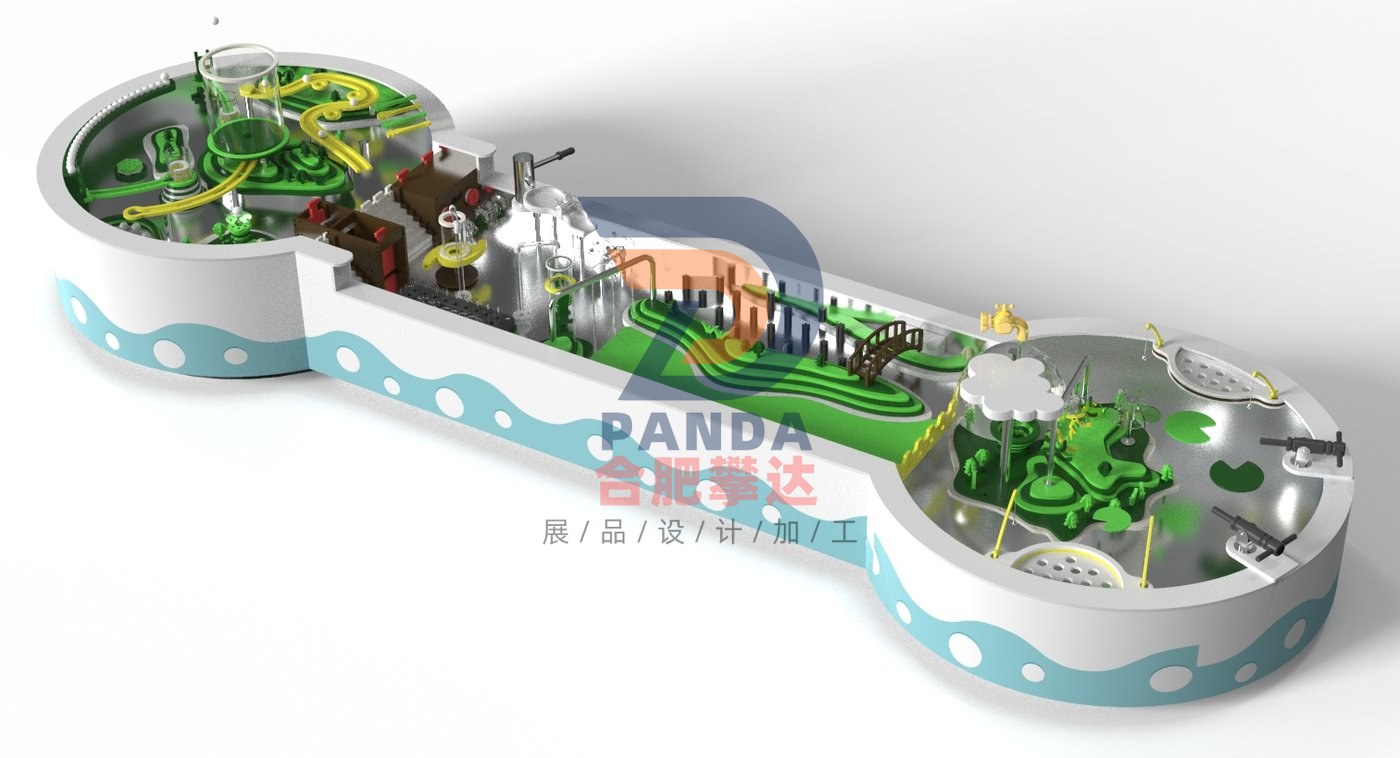
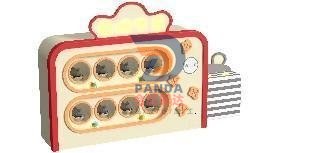
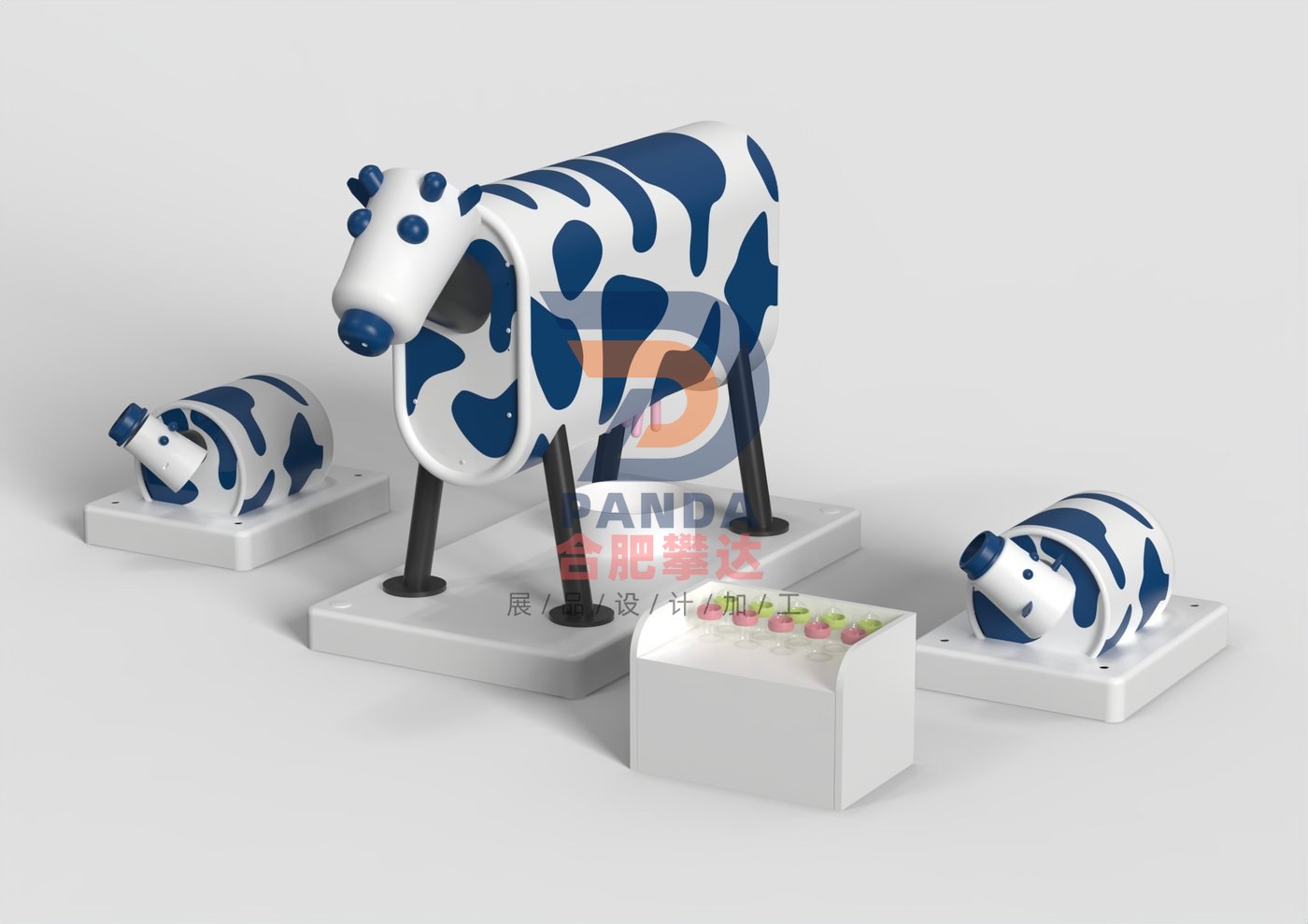
Need a quote for this piece or a full exhibit configuration? Tell us your venue area, theme direction, and budget range.