
Sound Visualization
Acoustics · Interactive
- Dimensions1.2×0.8×1.05m
- PresentationInteractive
- PricingQuoted by manufacture spec
Purpose & Scientific Principle
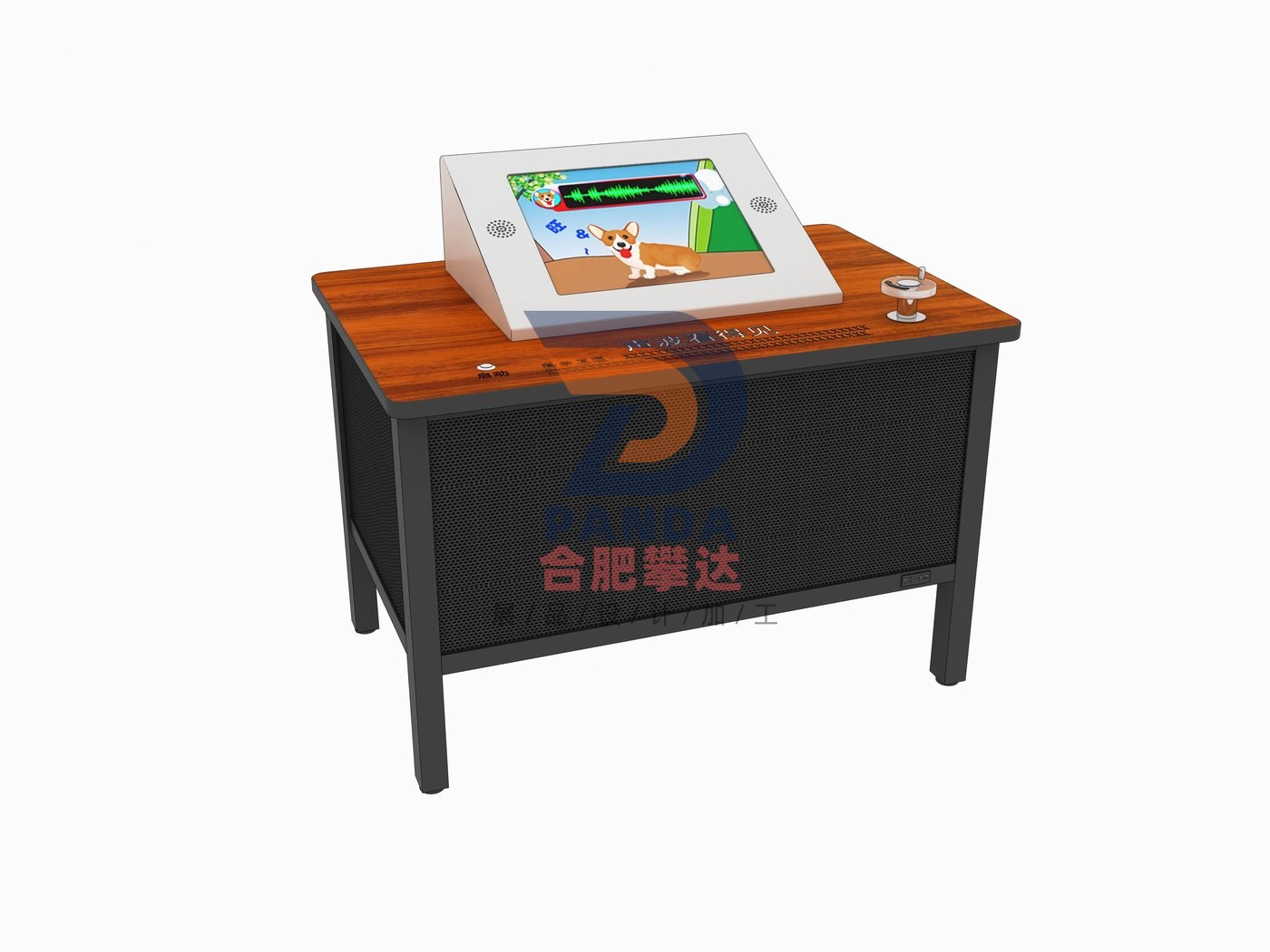
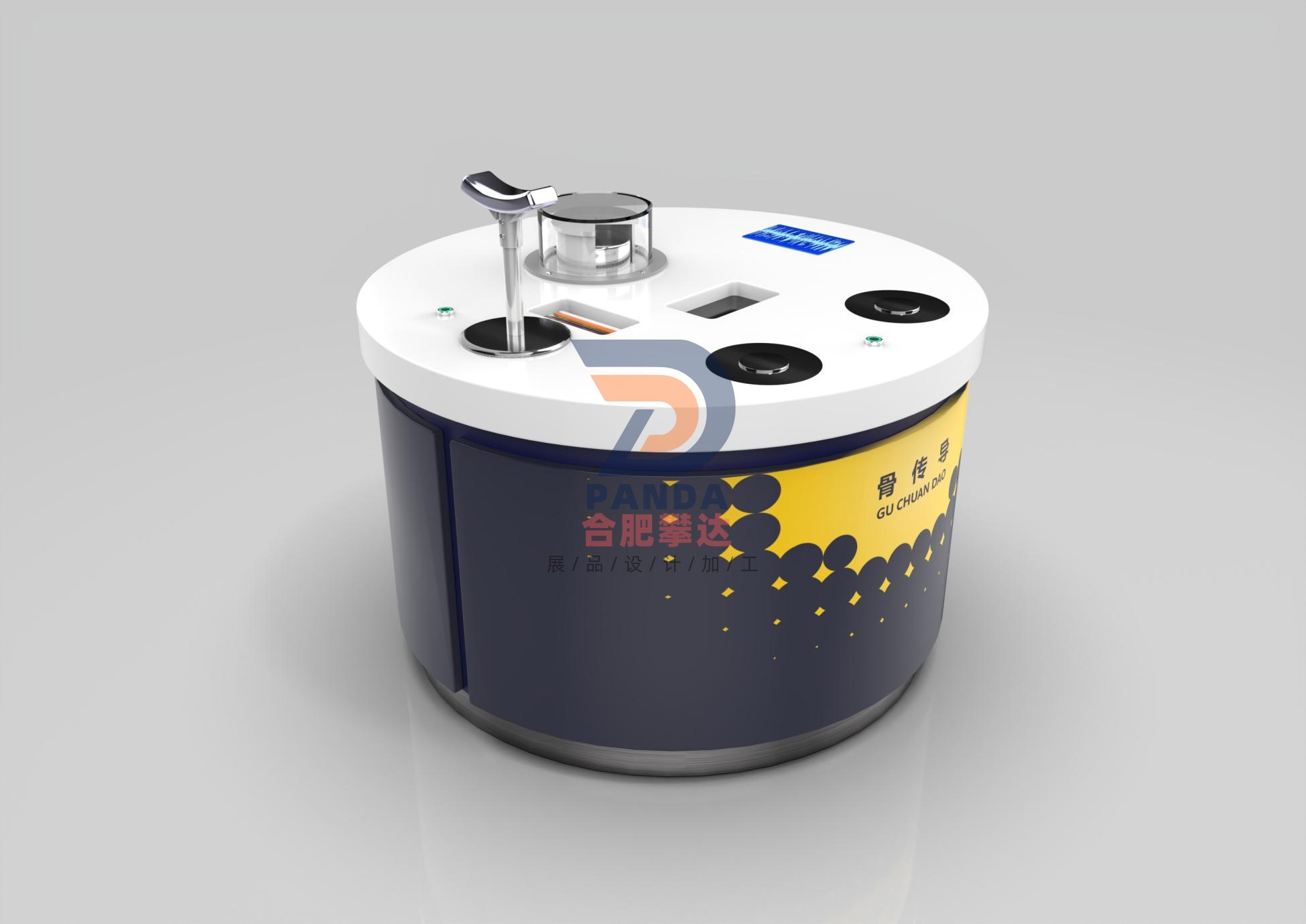
The exhibits consist of multimedia devices, microphones, handwheels, and collection buttons. Turn the hand wheel to select different animals (frog, cow, tiger, dog respectively), listen to the animal's cry and watch the changes in the sound waveform on the screen. Follow the on-screen prompts, press and hold the button, imitate the animal's sound into the microphone, and compare your own sound waveform with that of the animal. You can also turn the handwheel to select "Understanding Sound Waves" to learn about sound waves. No matter how similar you imitate, the waveform of the sound will always be different. Why is this? Sound is a wave in which loudness, pitch and timbre are recorded. The intensity of sound is called loudness, usually expressed in decibels (dB). The greater the amplitude of the sound wave, the greater the loudness. The level of sound is called pitch. The higher the frequency of the sound wave, the higher the pitch. Timbre is people's perception of the sound quality. Pure tones of a single frequency do not have timbre, but timbre refers to composite sounds. So even if you try your best to imitate animal sounds, the subtle differences in timbre are difficult to imitate. The timbre has other uses, such as knocking train wheels, boilers, ceramic vessels, etc., to judge whether there are cracks based on the timbre.
How to Operate
① Turn the handwheel, select different animal icons, listen to the animal's calls and observe the changes in its waveform; ② Press the "Collect" button, imitate the animal's sound into the microphone, and compare the waveforms of your own and the animal's sound.
Related Exhibits
Need a quote for this piece or a full exhibit configuration? Tell us your venue area, theme direction, and budget range.