

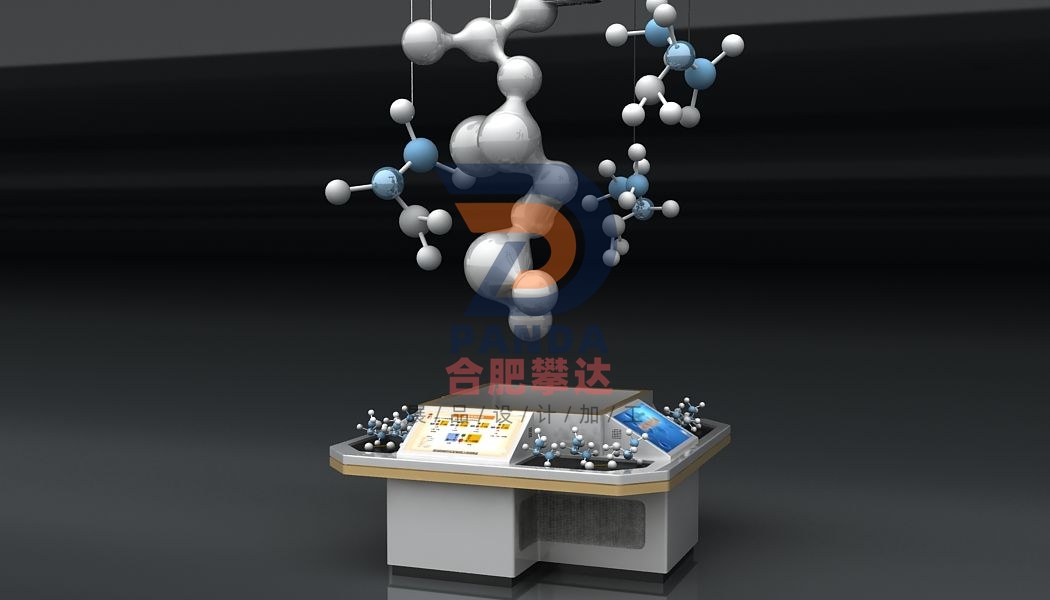
Nuclear Fission and Nuclear Fusion
Smart Technology · Interactive
- DimensionsSubject to on-site plan
- PresentationInteractive
- PricingQuoted by manufacture spec
Purpose & Scientific Principle
Demonstrate the reaction principles of nuclear fusion and nuclear fission, and understand the significance of the discovery of nuclear fusion and nuclear fission.
How to Operate
Nuclear fission refers to a form of nuclear reaction in which a heavy atomic nucleus is split into two or more atoms of smaller mass under neutron bombardment. When neutrons cause uranium nuclei to fission, 2 to 3 neutrons are released at the same time, and then these neutrons cause other uranium nuclei to fission, allowing the fission reaction to continue. This reaction is called a chain reaction.
Nuclear fusion refers to a form of nuclear reaction in which atoms of small mass, mainly deuterium or tritium, undergo aggregation of nuclei under certain conditions, such as ultra-high temperature and high pressure, to generate new nuclei with heavier mass, accompanied by the release of huge energy.
At present, the main energy used by human beings is still biased towards fossil energy. Earth resources such as coal and oil are the resources on which human life depends most. When using these energy sources, it will inevitably cause environmental pollution, especially carbon emissions. Humanity's dependence on fossil fuels has begun to seriously affect the earth's environment. If controllable nuclear fusion is successful, then humans can gradually get rid of their dependence on the earth's fossil fuels.
Nuclear fission refers to a form of nuclear reaction in which a heavy atomic nucleus is split into two or more atoms of smaller mass under neutron bombardment. When neutrons cause uranium nuclei to fission, 2 to 3 neutrons are released at the same time, and then these neutrons cause other uranium nuclei to fission, allowing the fission reaction to continue. This reaction is called a chain reaction.
Nuclear fusion refers to a form of nuclear reaction in which atoms of small mass, mainly deuterium or tritium, undergo aggregation of nuclei under certain conditions, such as ultra-high temperature and high pressure, to generate new nuclei with heavier mass, accompanied by the release of huge energy.
Related Exhibits





Need a quote for this piece or a full exhibit configuration? Tell us your venue area, theme direction, and budget range.