
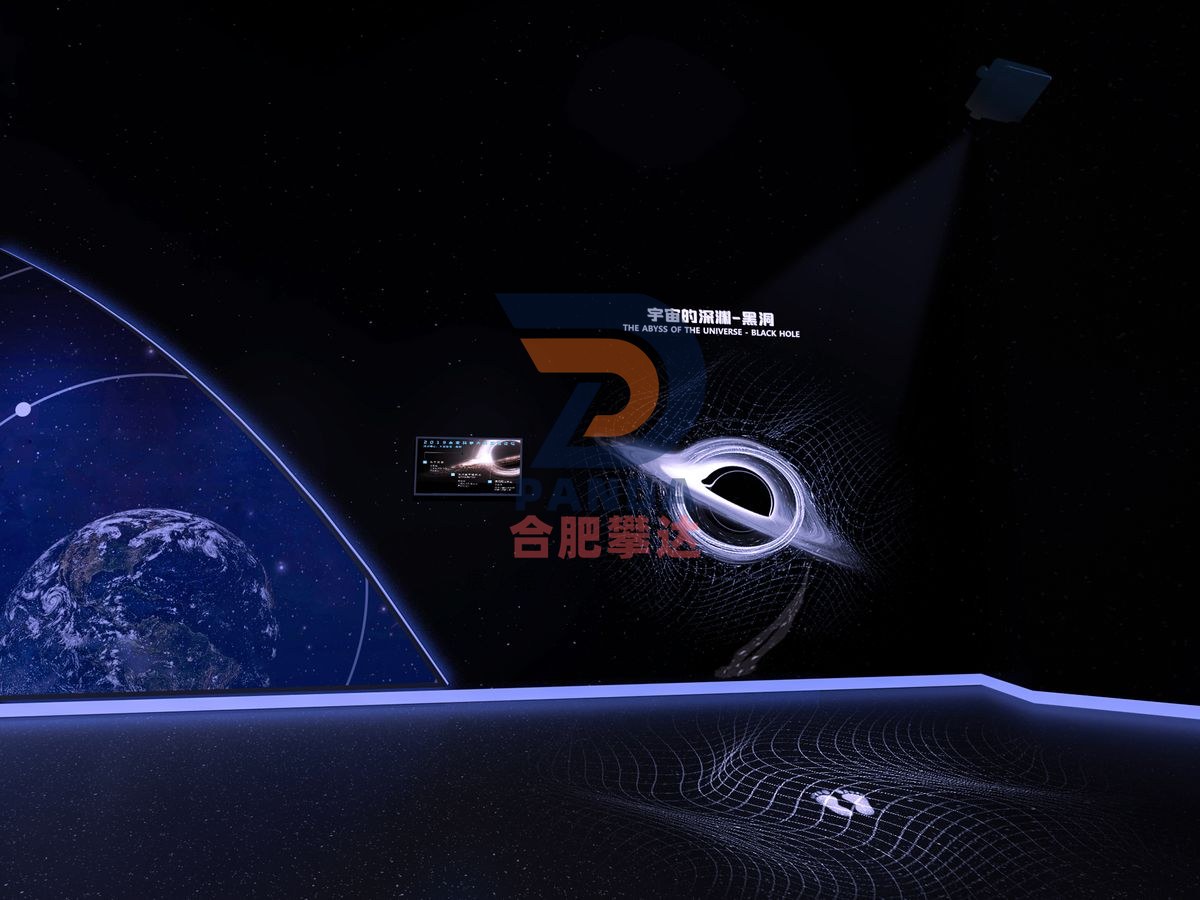
The Abyss of the Universe - Black Hole
Aerospace · Interactive
- DimensionsSubject to on-site plan
- PresentationInteractive
- PricingQuoted by manufacture spec
Purpose & Scientific Principle
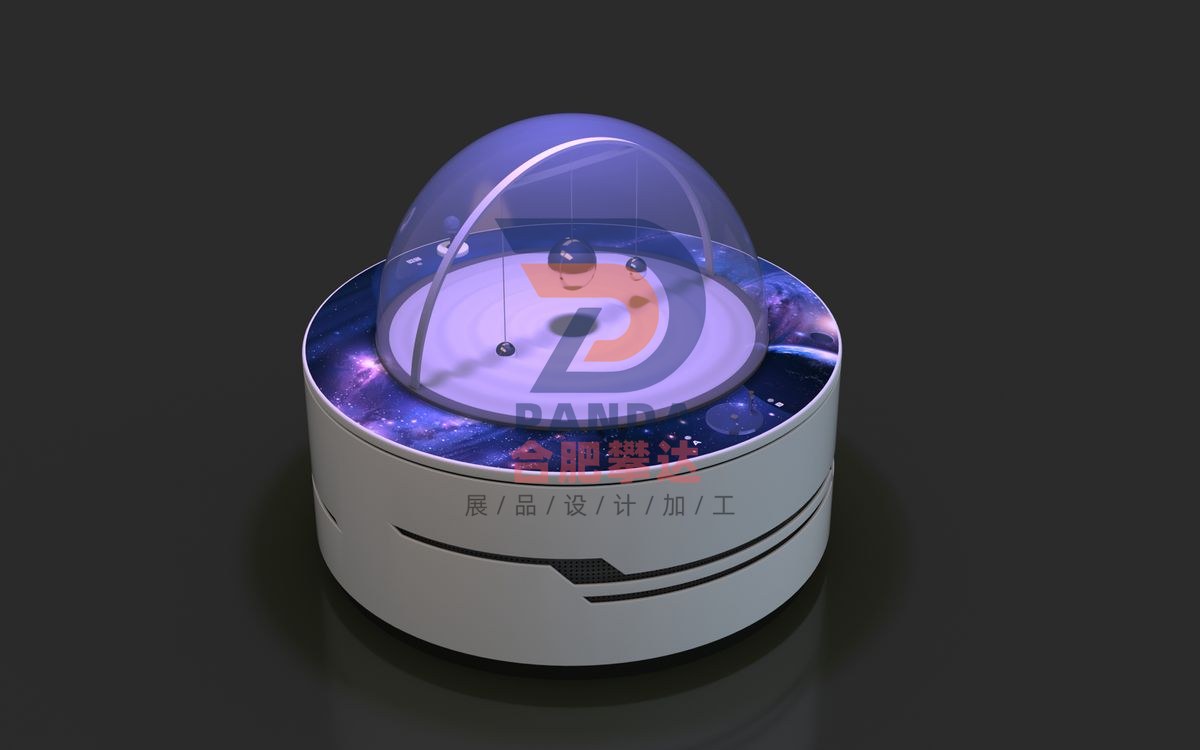
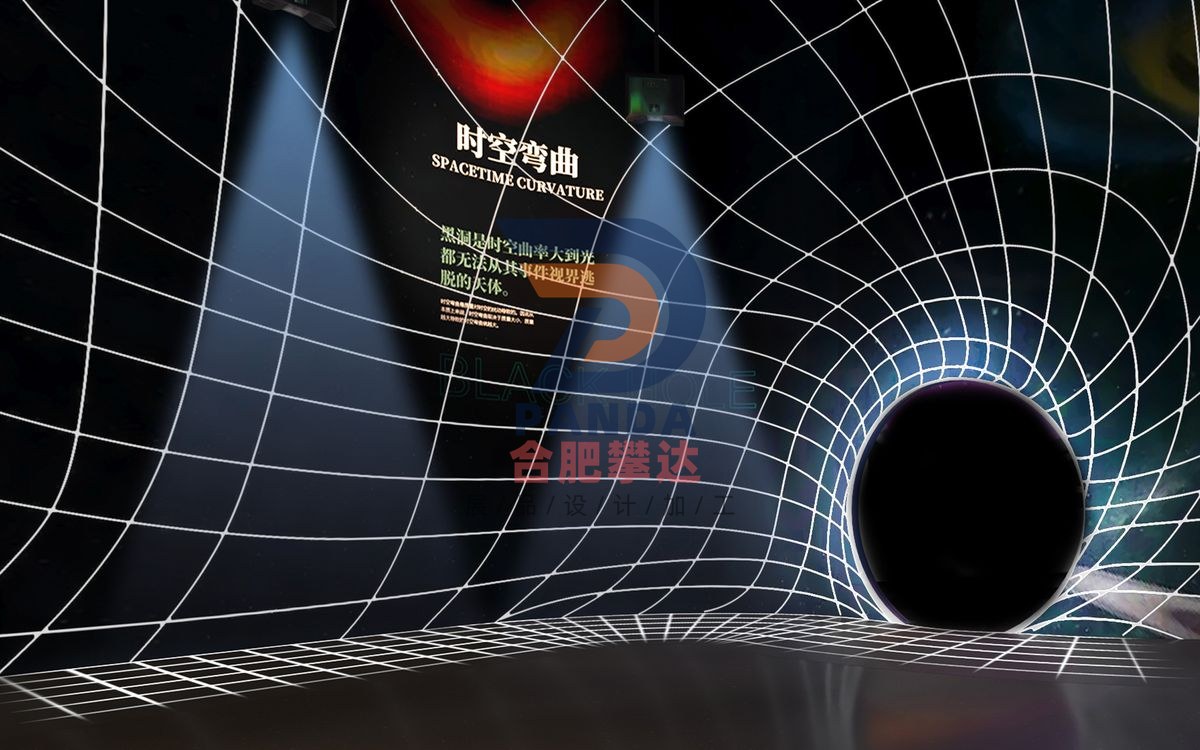
The exhibits use projection and touch screens to allow the audience to interact with black holes, observe black holes at close range and in multiple directions; learn about the discovery, formation, and structure of black holes, and appreciate black hole photos, thereby creating a stronger interest in the unknown universe and cutting-edge science.
How to Operate
Black holes are celestial objects predicted to exist by general relativity. The black hole and the matter accreted by it form a black hole accretion system. The internal structure of a black hole accretion system consists of several main parts: central singularity, event horizon, photosphere, relativistic jet, innermost stable orbit and accretion disk. The external area also includes: dust ring, wide line area and narrow line area, etc.
On September 14, 2015, the LIGO Gravitational Wave Observatory successfully observed gravitational waves directly for the first time. The signal is consistent with theoretical predictions of gravitational waves produced by the merger of two black holes, one with about 36 solar masses and the other with about 29 solar masses. The observations provide the most concrete evidence yet for the existence of black holes.
On April 10, 2019, the Event Horizon Telescope (EHT) collaboration released the first image of a black hole and its accessories: the supermassive black hole at the center of the M87 galaxy, and the second image on May 12, 2022: the supermassive black hole at the center of the Milky Way.
Half of the 2020 Nobel Prize in Physics was awarded to Roger Penrose for "the discovery that general relativity predicts the formation of black holes," and the other half was awarded to Reinhard Genzel and Andrea Ghez for "the discovery of a super-large dense object at the center of the Milky Way."
Real black holes are so far away that they cannot even be directly observed with the naked eye.
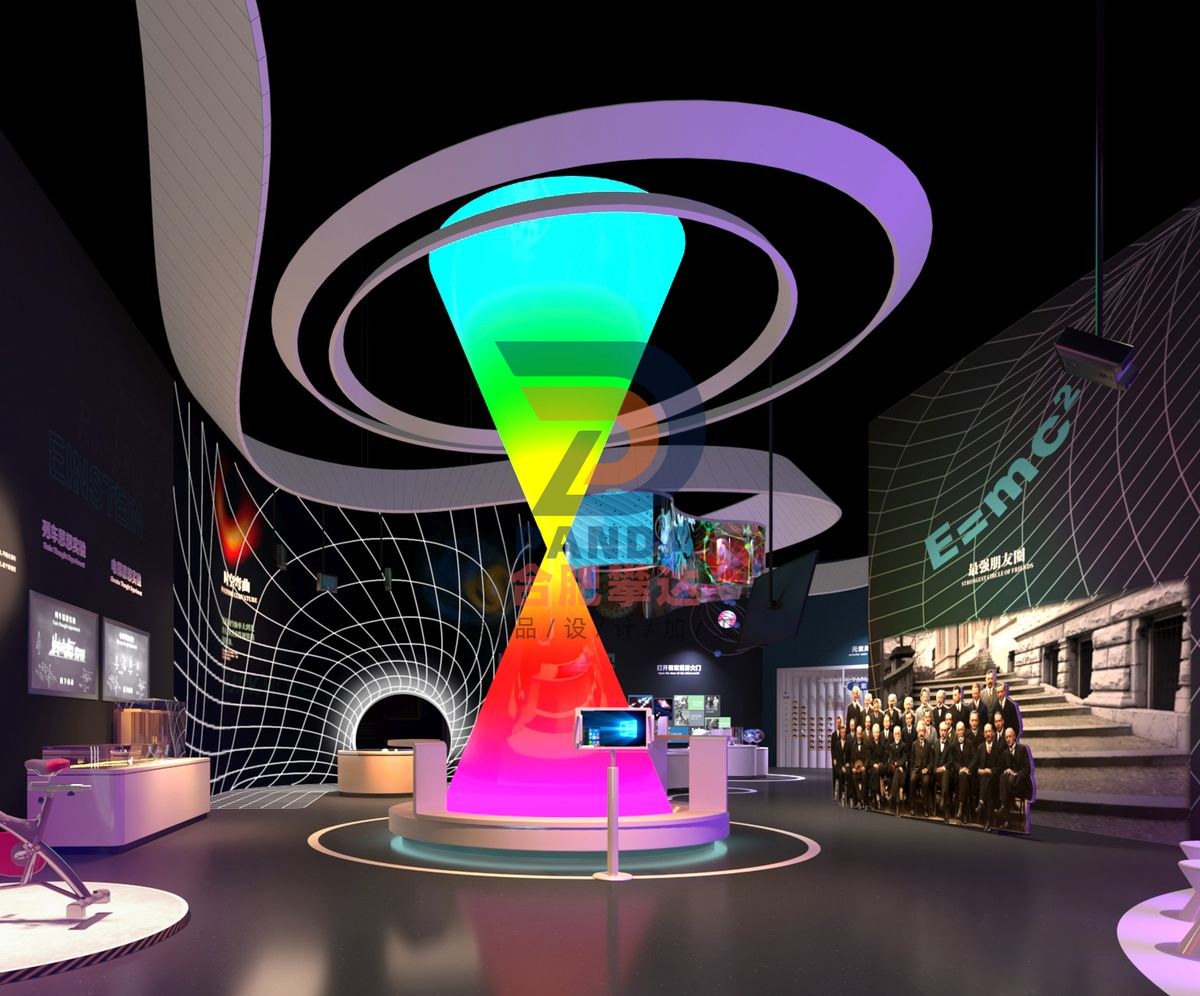
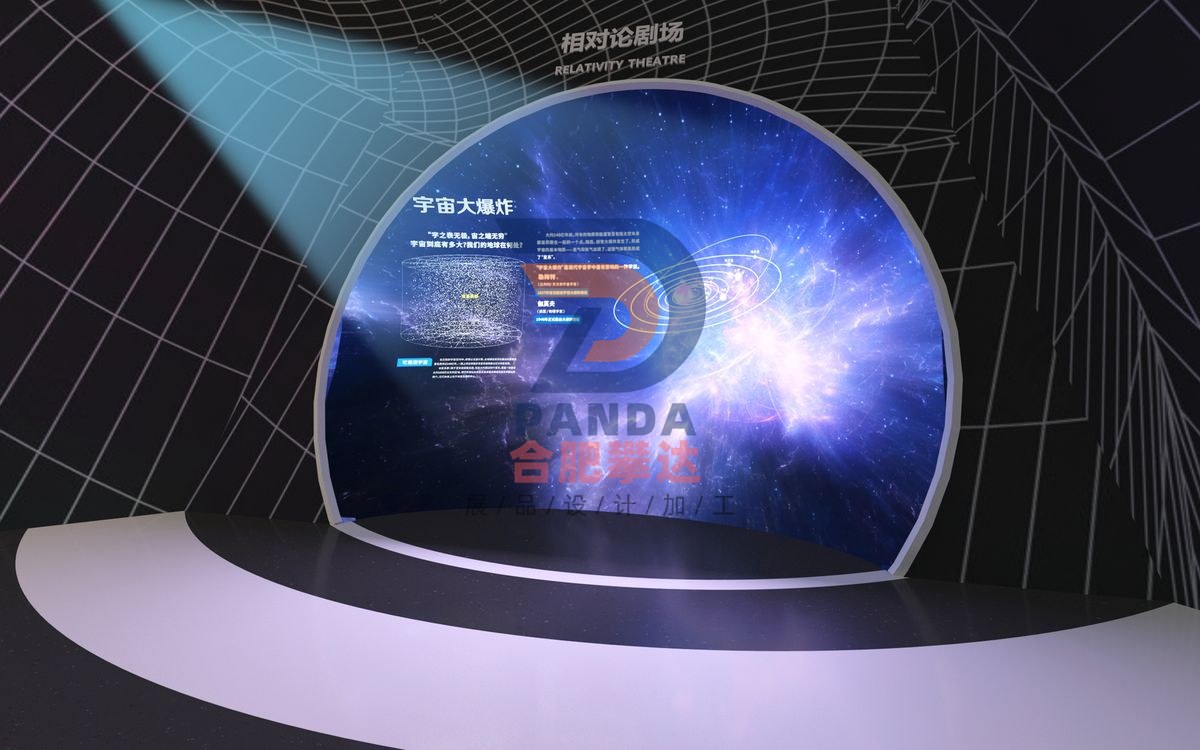
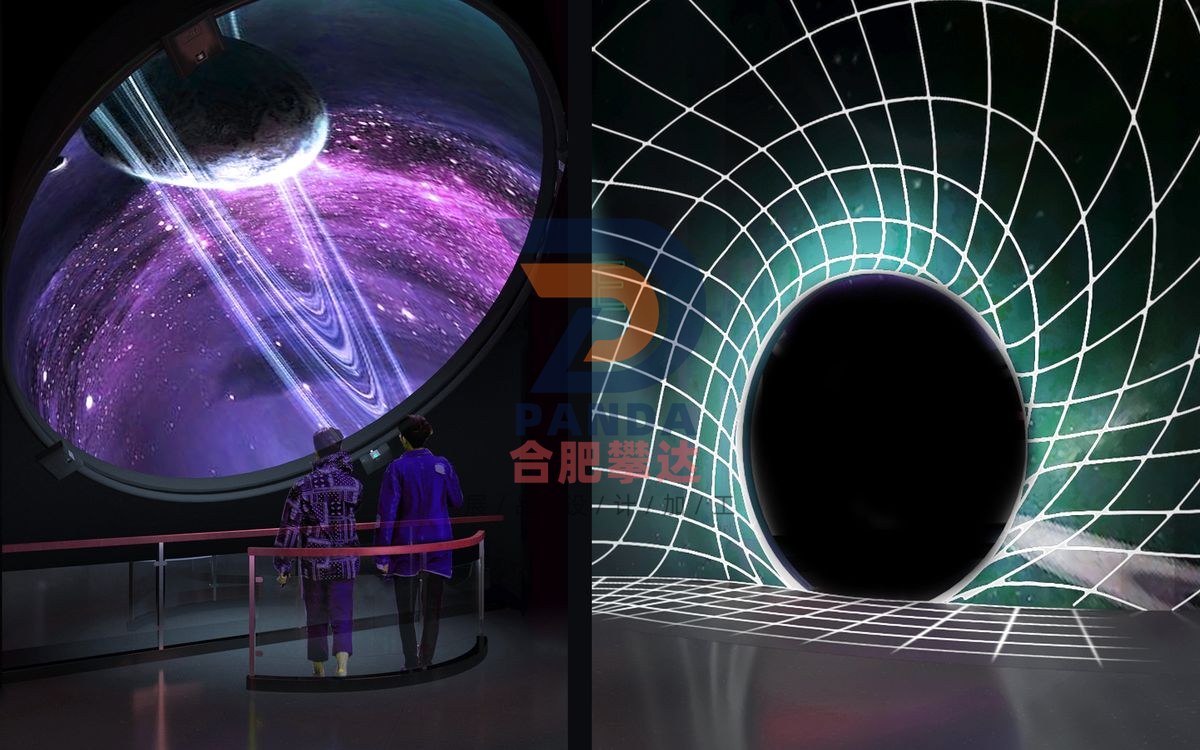
Related Exhibits
Need a quote for this piece or a full exhibit configuration? Tell us your venue area, theme direction, and budget range.