
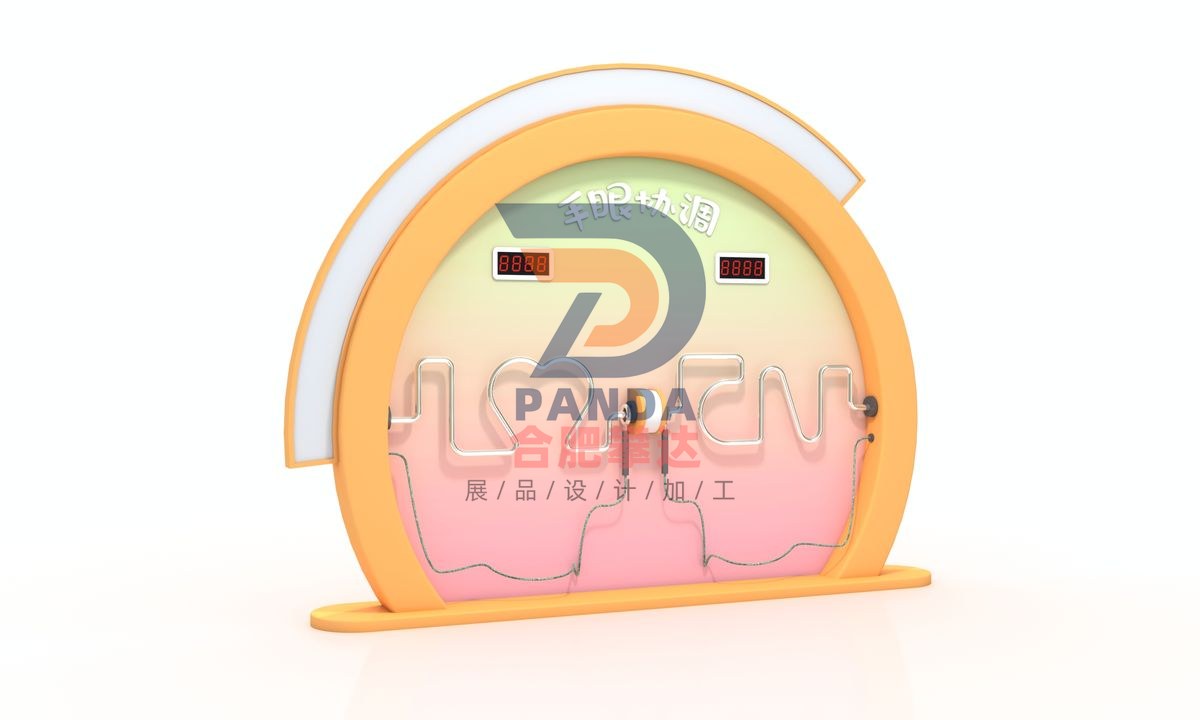
Hand-Eye Coordination
Kids' Zone · Interactive
- DimensionsSubject to on-site plan
- PresentationInteractive
- PricingQuoted by manufacture spec
Purpose & Scientific Principle
The exhibits test children's coordination ability between eyes, brain and hands through electromechanical interaction. Let children understand that hand-eye coordination refers to the coordination of fine movements of the hands in conjunction with vision. It is a comprehensive expression of the human brain's reaction speed and accuracy.
How to Operate
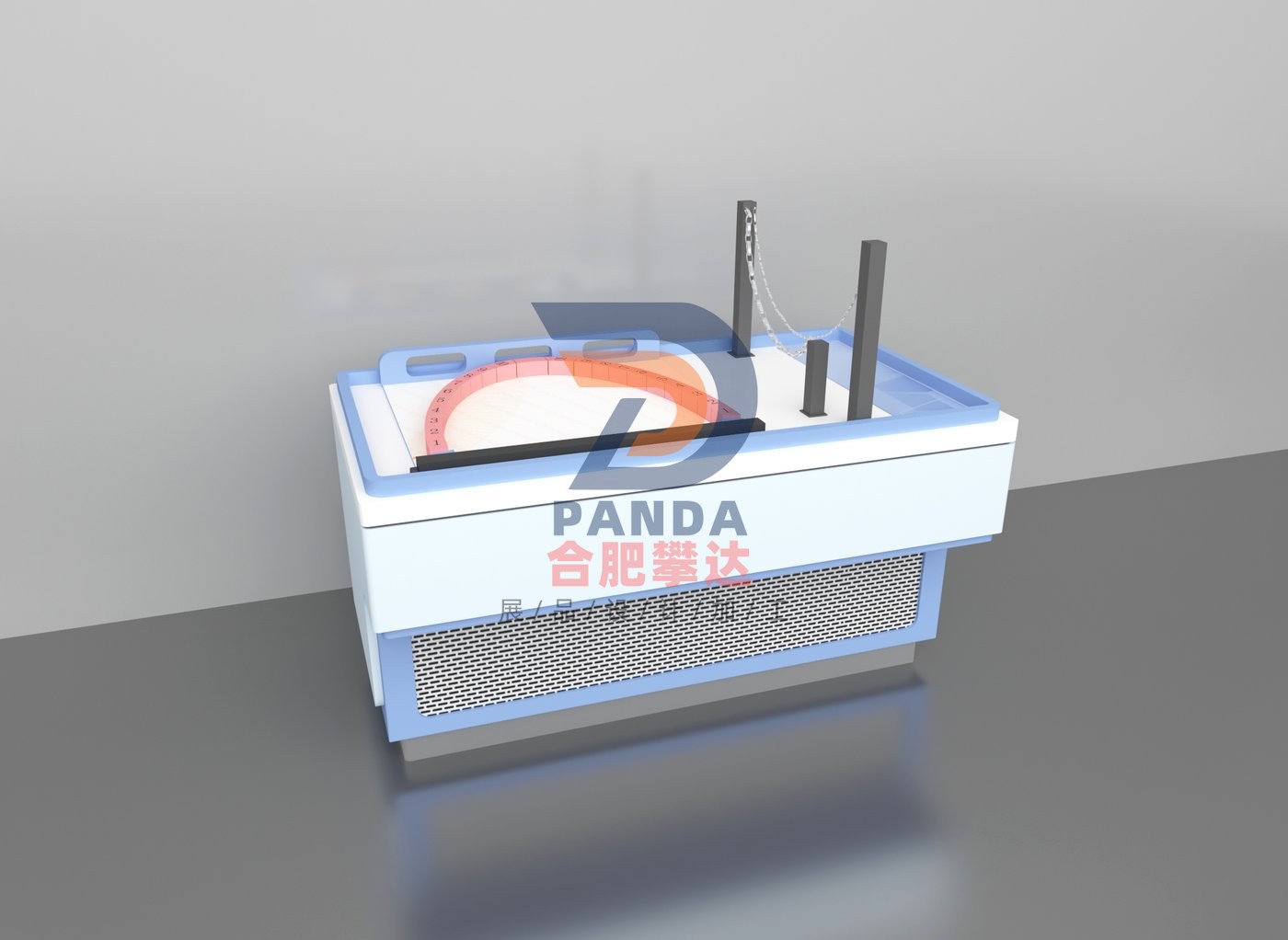
The exhibits consist of irregularly curved metal rods, movable metal rings, timers, touch detection systems, shaped display racks, etc.
The exhibit is equipped with two sets of test devices with different levels of difficulty, and a column support is set in the middle of the device. Spectators holding metal detectors start from one end of the curved shape and follow the metal track to the other end to complete the game. During the interaction, try to avoid the metal detector coming into contact with the metal track, otherwise the sound effect device will sound animal sounds, and the digital display will record the number of collisions in real time. At the end of the event, participants can check their number of collisions through the digital display device.
Hand-eye coordination refers to the coordination of fine movements of the hands in conjunction with vision. The key points in the development of baby's hand grasping skills are five-finger differentiation and hand-eye coordination. By the end of infancy, the movements of hands playing with objects have become more refined and coordinated, and the flexibility of fingers has increased, which helps develop their ability to take care of themselves. The coordination of children's hand-eye movements gradually develops with the maturation of neuropsychiatric development. For example, 5-month-old babies are often unable to grasp toys accurately; 8-month-old babies can not only grasp them accurately, but also pass them with both hands; 10-month-old babies can pinch millet flowers with their fingers; 12-month-old babies start to hold pens to draw; 18-month-old babies can use 3-4 building blocks to build "buildings"; 2-year-olds can build 7-8 stories high. It can be seen that children after one year old have basically coordinated their hand-eye movements and can complete some basic operating skills.
Related Exhibits

Need a quote for this piece or a full exhibit configuration? Tell us your venue area, theme direction, and budget range.