
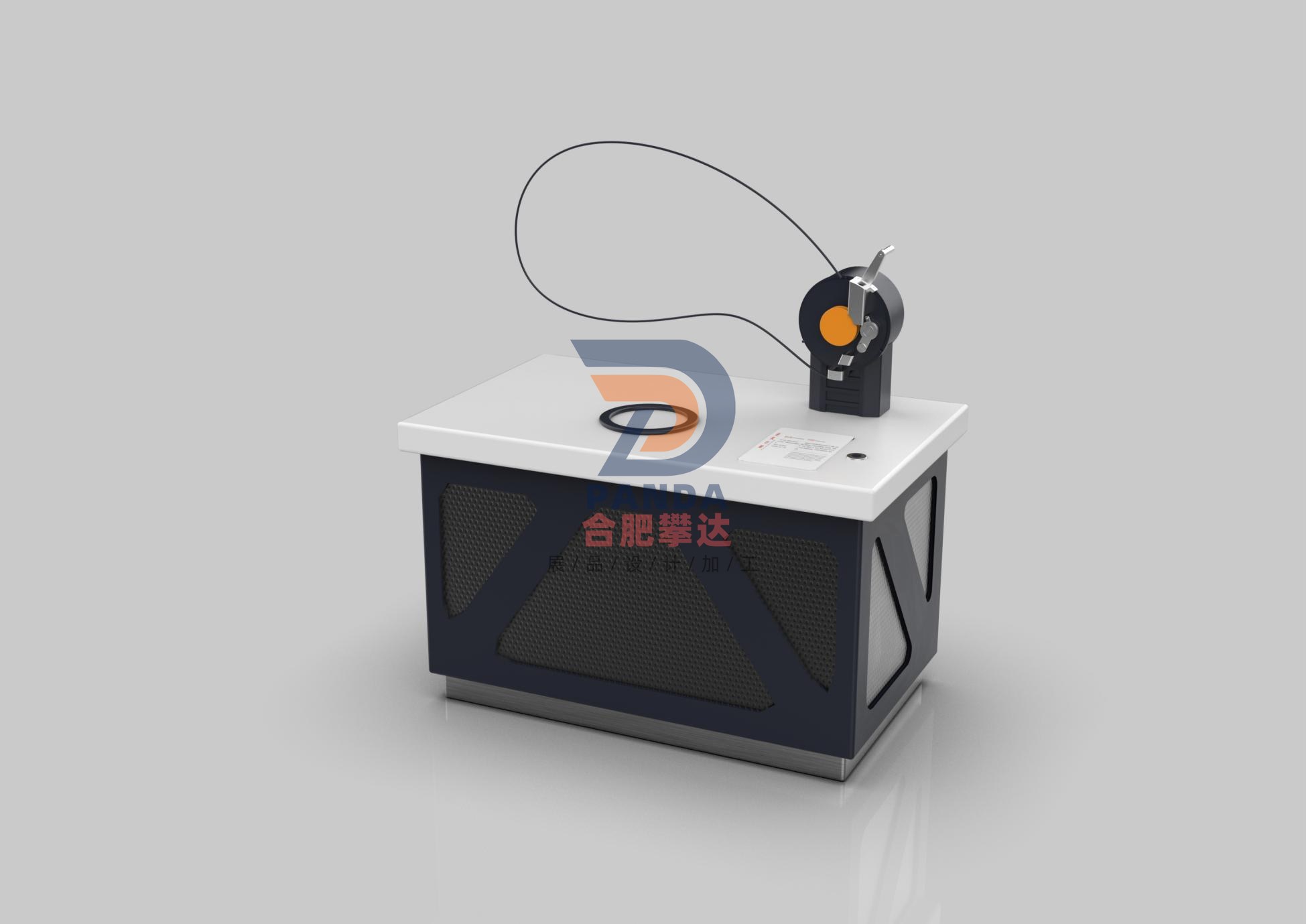
Flying Rope
Mechanics in Motion · Mechanical Interaction
- Dimensions1300*800*1200mm
- PresentationMechanical Interaction
- PricingQuoted by manufacture spec
Purpose & Scientific Principle
The exhibition item uses the rope to maintain a rotating flying attitude, demonstrating the effect of inertia. The law of inertia can be stated as follows: Force is only what changes the state of motion of an object. Unless another force acts on the object, it will continue to maintain its original state of motion. The law of inertia is also called Newton's first law. Newton's first law states that when the net external force is zero, an object that was originally at rest will continue to remain at rest, and an object that was originally in motion will continue to move in a uniform straight line at its original speed. There are two situations where the net external force is zero: one is when all the external forces on the object cancel each other out and the net external force is zero; the other is when the object is not affected by external forces.
How to Operate
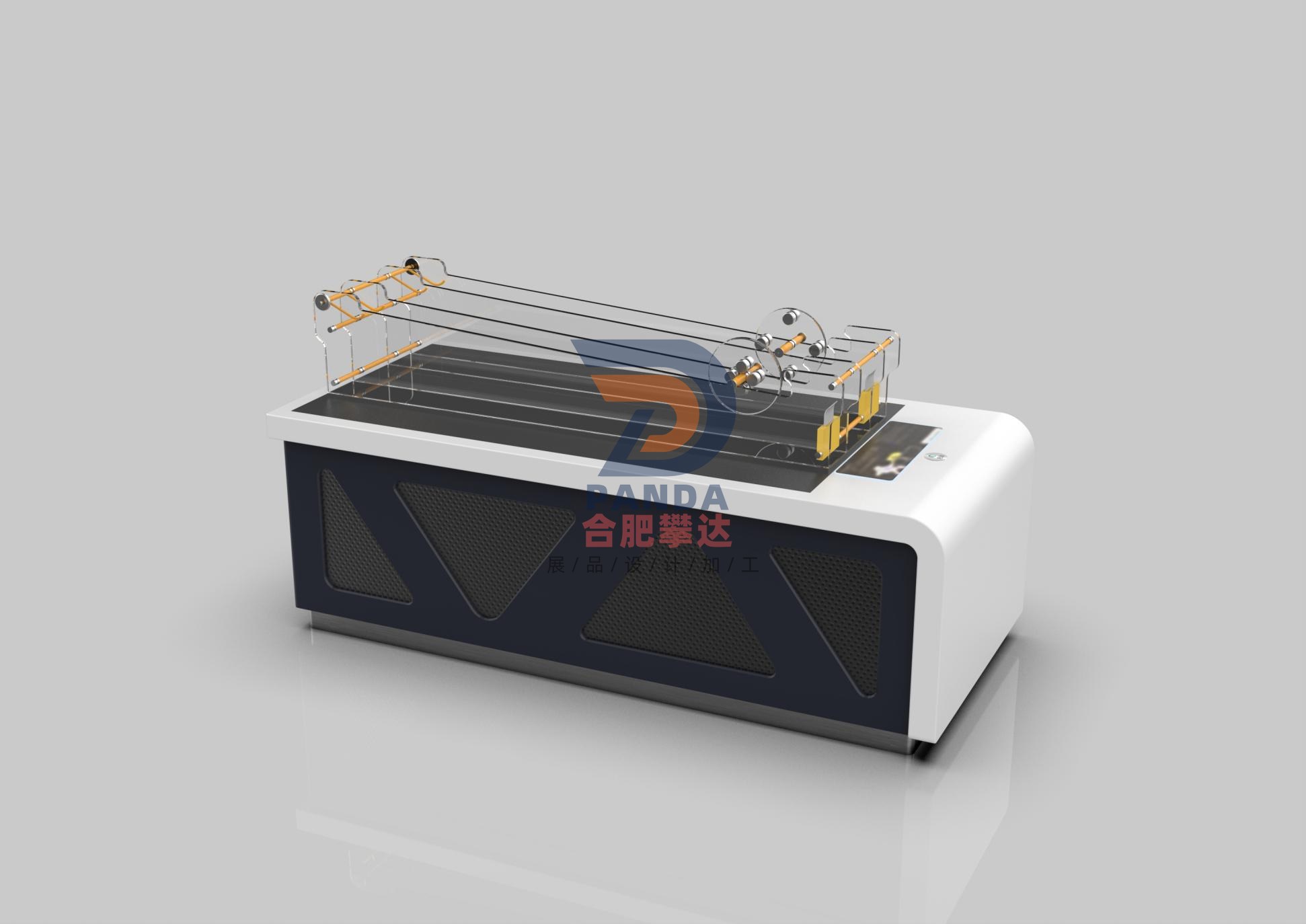
The exhibition item is designed with a set of runner wheels, with a circle of rope sandwiched between the driving wheel and the driven wheel. When the motor drives the wheel to start rotating, due to the friction between the two wheels, the wheel drives the rope to start moving. After part of the rope left the wheel, due to the existence of inertia, the rope did not fall, but continued to move forward like a hard material. Driven by the motor, the rope can be accelerated to a certain initial speed. When the motor accelerates the movement of the rope, its kinetic energy causes the entire rope to participate in the movement, and gravity will pull it downward. Under the combined action of the inertia of the object and the internal tensile strength, the rope can maintain stability. The vector sum is zero. When obstacles impede the movement of the rope, the rope loses its original stability and the rope takes on different graceful shapes.
Operation mode
1. The participant turns the handle, the wheel drives the rope to start moving, and observes the movement pattern of the rope. 2. Press the motor switch, and the motor drives a rope to rotate, keeping the rope moving upward. Spectators can use obstacles nearby to block the movement of the rope, and they will find that the rope will fall down. When the spectator removes the obstacle, the rope will continue to move upward. (The motor stops automatically after rotating for 30 seconds)
Related Exhibits
Need a quote for this piece or a full exhibit configuration? Tell us your venue area, theme direction, and budget range.