
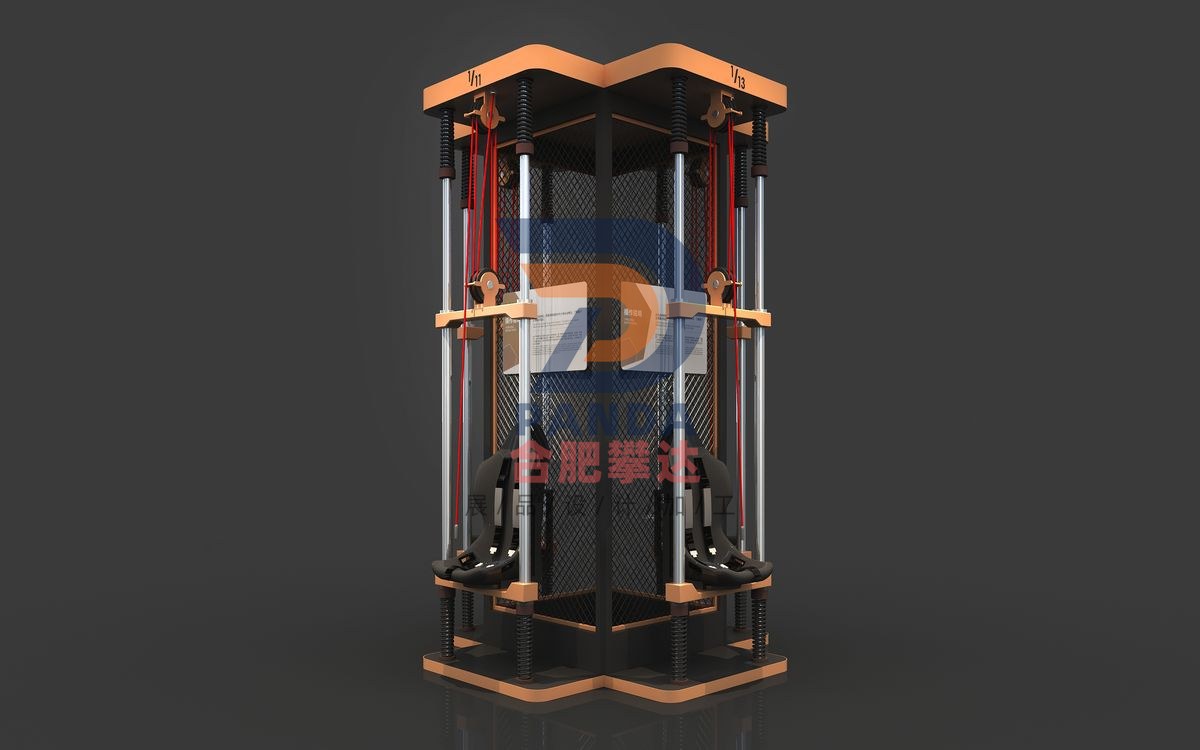
Pull yourself
Mechanics in Motion · Interactive
- DimensionsSubject to on-site plan
- PresentationInteractive
- PricingQuoted by manufacture spec
Purpose & Scientific Principle
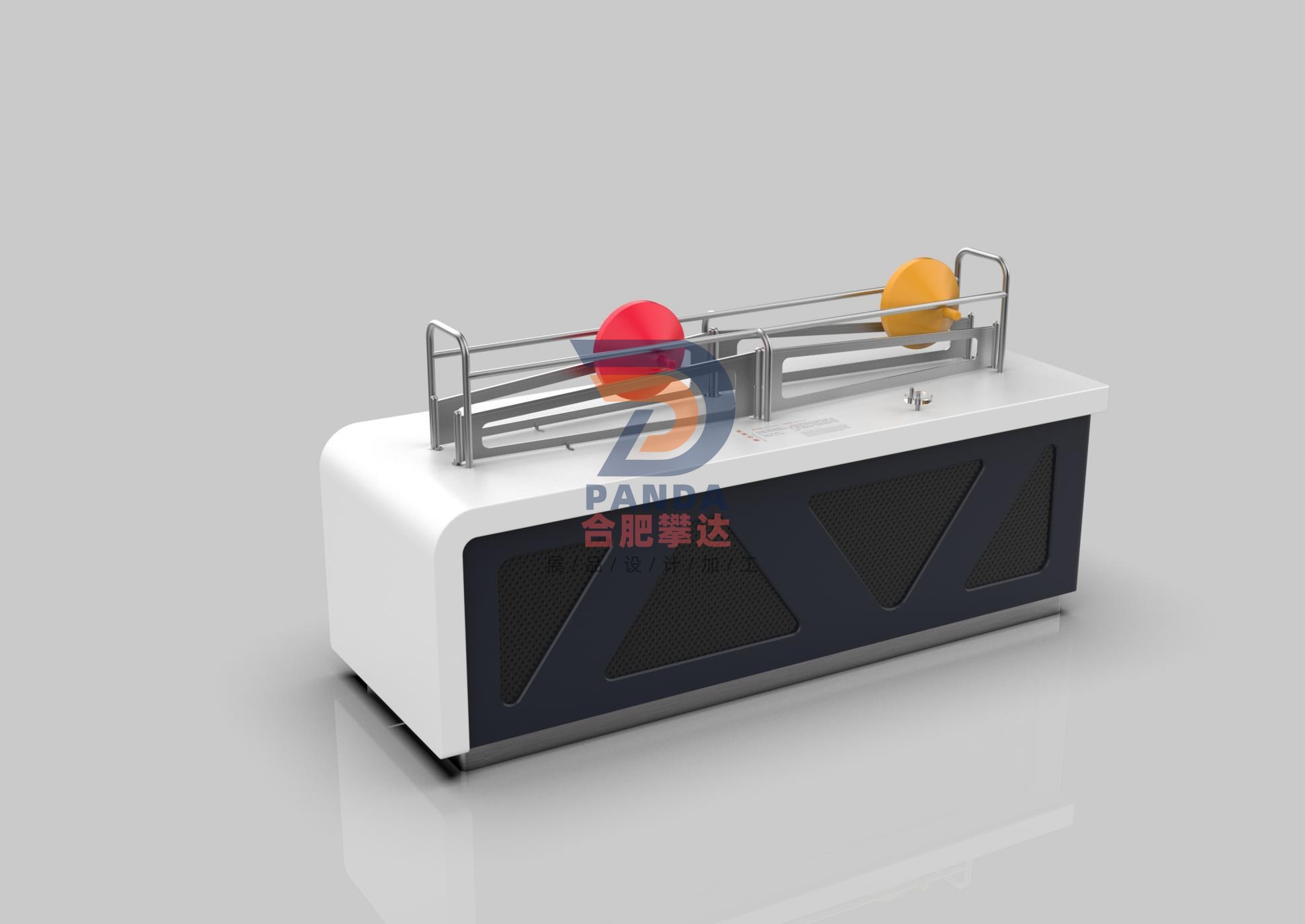
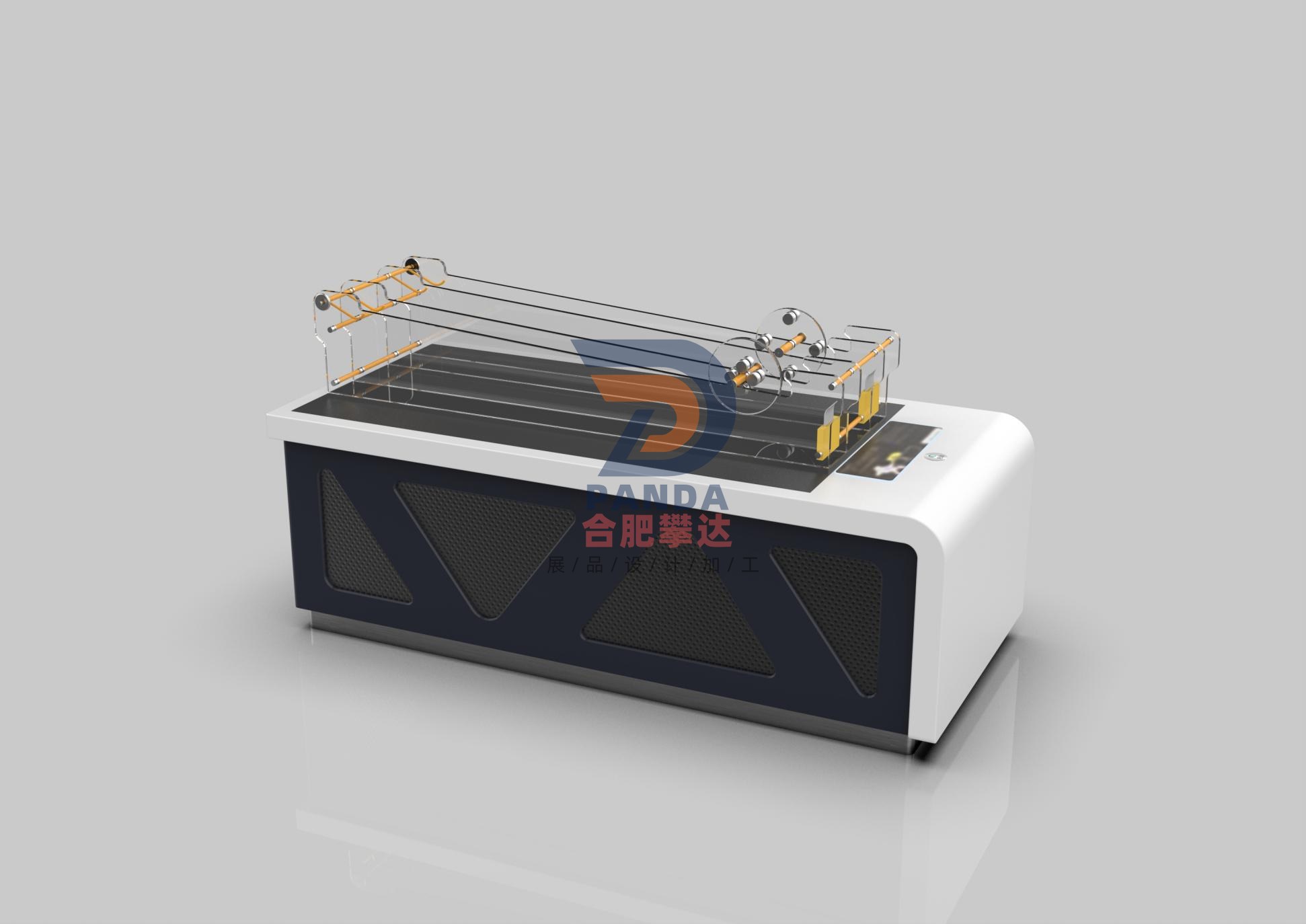
The exhibition displays the principle of the compound pulley summarized by Hero, a technical engineer from the ancient Greek period, aiming to show that the technological inventions of that era still exert a wide influence today.
How to Operate
Hero analyzed and wrote the theory about compound pulleys, proving that the ratio of load to force is equal to the number of rope segments bearing the load, which is the "pulley principle".
Pulley principle: When in use, the position of the pulley is fixed; the fixed pulley is essentially an equal-arm lever, which is effortless and effortless, but can change the direction of the force. The power arm and resistance arm of the lever are the radii of the pulley respectively. Since the radii are equal, the power arm is equal to the resistance arm, and the lever is neither labor-saving nor labor-intensive. Using the lever principle, the formula is derived (F is the pulling force, G is the gravity of the object, L1L2 is in the picture).
Pulley principle: When in use, the position of the pulley is fixed; the fixed pulley is essentially an equal-arm lever, which is effortless and effortless, but can change the direction of the force. The power arm and resistance arm of the lever are the radii of the pulley respectively. Since the radii are equal, the power arm is equal to the resistance arm, and the lever is neither labor-saving nor labor-intensive. Using the lever principle, the formula is derived (F is the pulling force, G is the gravity of the object, L1L2 is in the picture).
Related Exhibits

Need a quote for this piece or a full exhibit configuration? Tell us your venue area, theme direction, and budget range.