

Sliding and Friction
Mechanics in Motion · Interactive
- DimensionsSubject to on-site plan
- PresentationInteractive
- PricingQuoted by manufacture spec
Purpose & Scientific Principle
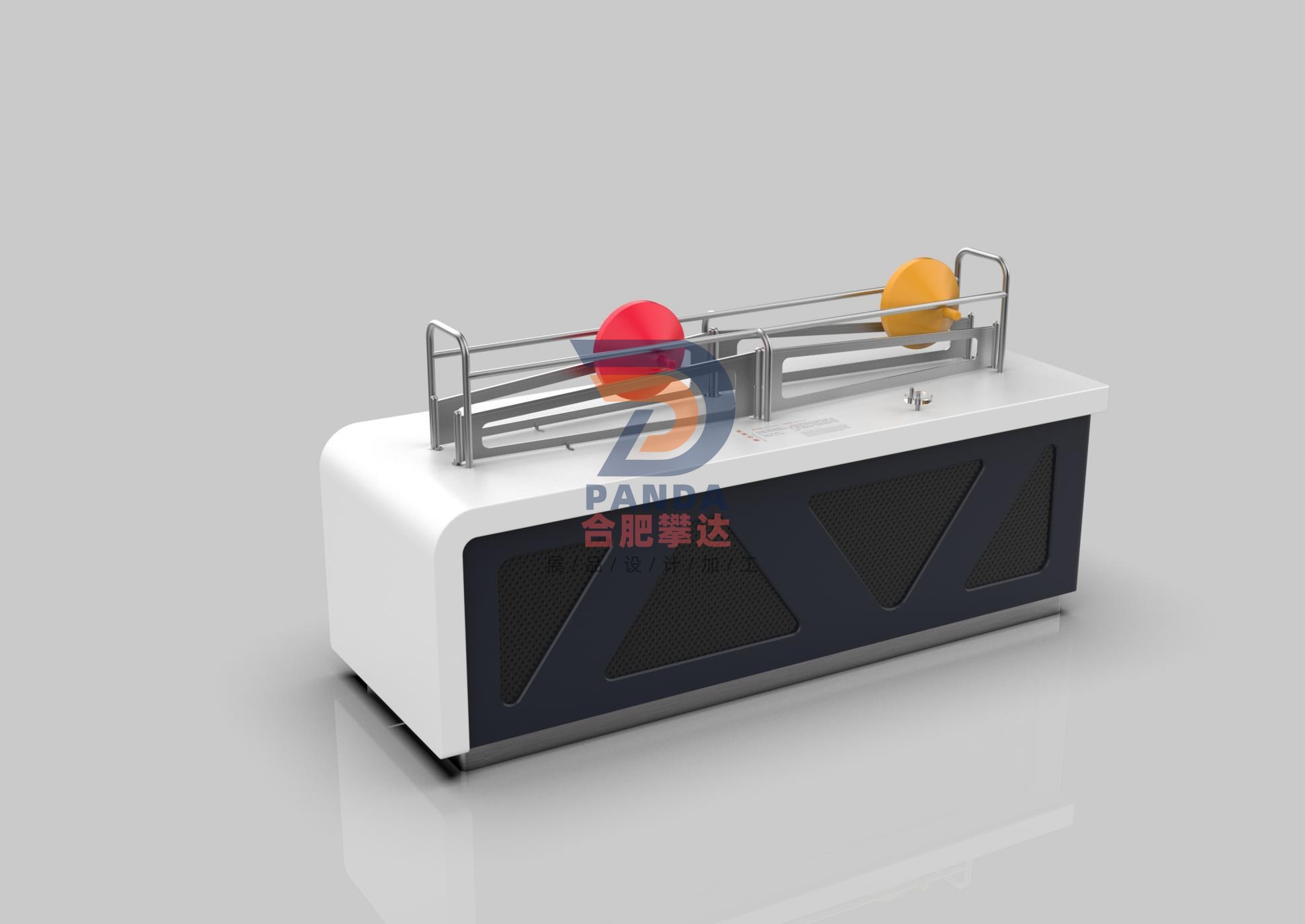
The exhibition item aims to allow the audience to compare the differences in friction between objects with different contact surfaces and understand the influencing factors of friction.
How to Operate
All objects always remain at rest or move in a straight line at a uniform speed under any circumstances when they are not acted upon by external forces. Force is not what makes an object move or maintains motion, but what changes the state of motion of an object. Inertia is a property of matter and is related to the mass of the object.
When two objects that are in contact and squeezing each other move relative to each other or have a tendency to move relative to each other, a force will be generated on the contact surface that hinders the relative movement or tendency of relative movement. This force is called friction. The direction of friction is opposite to the direction of relative motion or tendency of relative motion of objects. Friction is divided into three types: sliding friction, static friction, and rolling friction.
Friction is a force between two objects that hinders the movement of each other. It is related to the roughness of the contact surface and the amount of positive pressure.
When two objects that are in contact and squeezing each other move relative to each other or have a tendency to move relative to each other, a force will be generated on the contact surface that hinders the relative movement or tendency of relative movement. This force is called friction force (Ff or f).
The direction of friction is opposite to the direction of relative motion or tendency of relative motion of objects.
There are two reasons for the friction between solid surfaces: the mutual attraction between atoms and molecules on the solid surface (the energy requirement for the reorganization of chemical bonds, glue force) and the resistance to each other caused by the rough surfaces between them.
Related Exhibits
Need a quote for this piece or a full exhibit configuration? Tell us your venue area, theme direction, and budget range.