
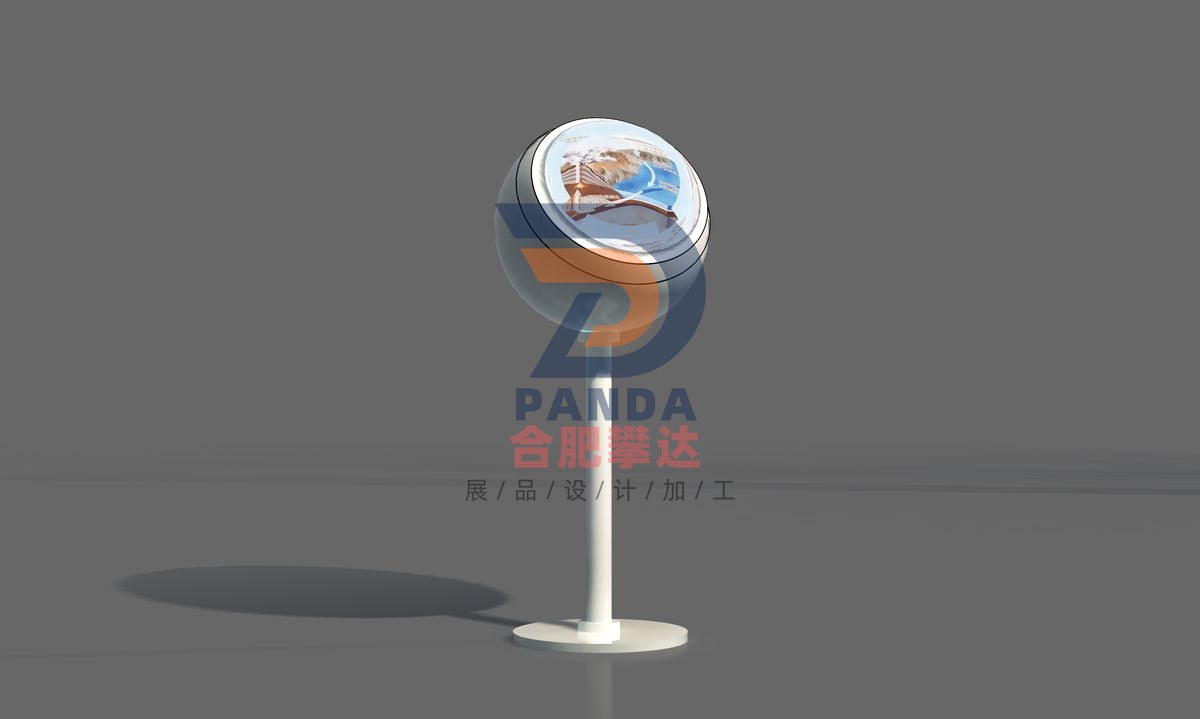
Inorganic carbon cycle
Earth & Planet · Interactive
- DimensionsSubject to on-site plan
- PresentationInteractive
- PricingQuoted by manufacture spec
Purpose & Scientific Principle
The process of inorganic carbon cycle is introduced through the dynamic display of cold light film.
How to Operate
When this process was born, life had not yet appeared, so it is called the inorganic carbon cycle. The inorganic carbon cycle is mainly a closed-loop circulation process of inorganic carbon in the atmosphere, oceanosphere and lithospheric carbon pool. A cycle takes millions to tens of millions of years, but it is like a delicate thermostat that maintains the earth in a relatively stable temperature range by adjusting the content of carbon dioxide in the atmosphere.
Carbon dioxide dissolves into rainwater and turns into a weak acid that reaches the surface. This acidic rainwater can erode surface rocks (weathering erosion), carry carbon dioxide and exfoliated minerals into the ocean, and form carbonate rocks that sink to the bottom of the sea. In addition to entering the ocean through erosion of land rocks, carbon dioxide can also enter the ocean directly from the atmosphere.
Over the years, carbon dioxide in the atmosphere has been continuously transported into the ocean and lithosphere. This has become the most important storage reservoir of carbon on the earth, known as the ocean carbon reservoir and the lithospheric carbon reservoir.
After the earth's plate movement and the earth's surface cooled significantly, the asthenosphere below it is still in a partially molten state. It is like a huge conveyor belt, allowing the oceanic plate floating on it to subduct and collide with the land plate. The former carbonate rock will melt into magma together with other rocks and transform into carbon dioxide, which will be ejected from the surface again in the roar of volcanoes.
The amount of carbon dioxide returning to the atmosphere will not increase indefinitely. Under the action of plate movements, mountains rise and land expands, and more fresh rocks are exposed on the surface. Carbon dioxide dissolves into rainwater and turns into weak acid. It can continue to erode rocks and flow into the ocean, slowly reducing the carbon dioxide content in the atmosphere and maintaining the carbon balance in the atmosphere, ocean, and lithosphere. At this point, the atmosphere has not only transported carbon to the ocean, but also supplemented it from the lithosphere. The carbon in the atmosphere, ocean, and lithosphere has formed a closed loop.
The exhibits extract knowledge points about the inorganic carbon cycle and place them next to the Earth Watch exhibits in the form of cold light sheets, echoing the theme of the exhibition area - "Low-carbon Development, Shared Destiny". Give the audience an immersive experience of the scientific connotation and significance of "carbon peaking and carbon neutrality".
Related Exhibits
Need a quote for this piece or a full exhibit configuration? Tell us your venue area, theme direction, and budget range.