
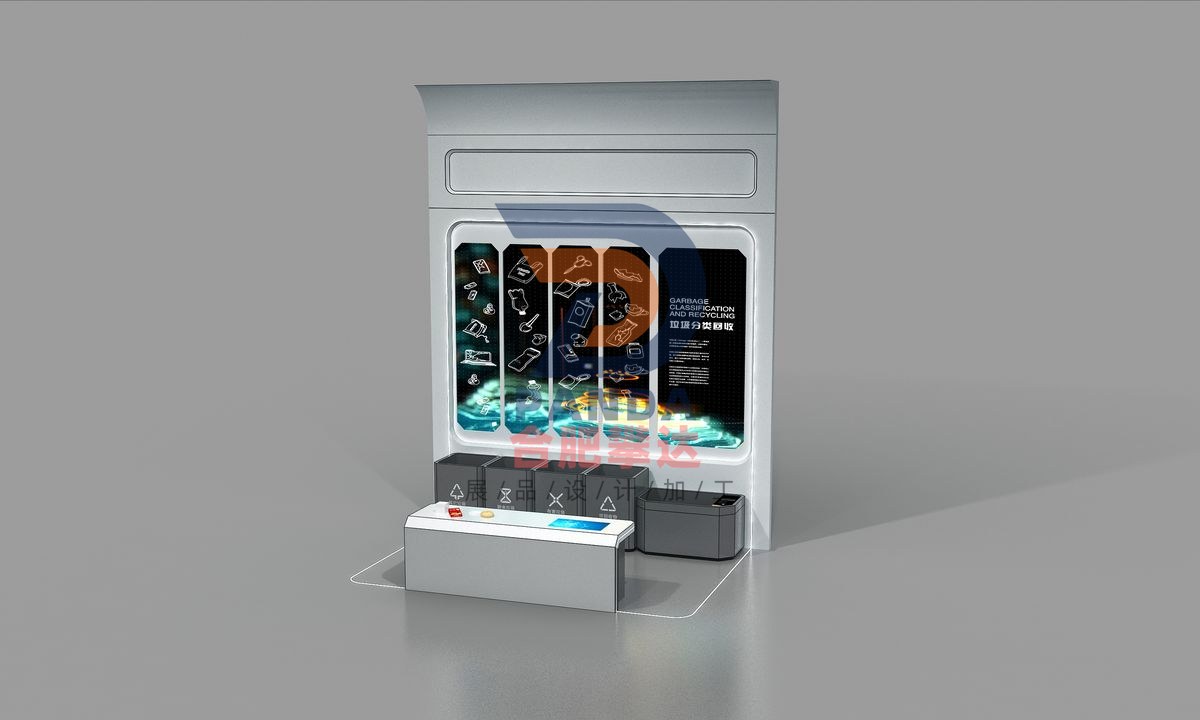
Garbage Classification and Recycling
Earth & Planet · Interactive
- DimensionsSubject to on-site plan
- PresentationInteractive
- PricingQuoted by manufacture spec
Purpose & Scientific Principle
Let the public understand the relevant knowledge of garbage classification and recycling through interactive experiences.
How to Operate
The "Regulations on the Classification and Management of Domestic Waste in Anhui Province" has been officially implemented on May 1, 2022. The regulations clarify that domestic waste is divided into four categories: recyclable waste, hazardous waste, kitchen waste and other waste. Establish a domestic waste management system with classified placement, collection, transportation, and treatment to promote the reduction, resource utilization, and harmlessness of domestic waste.
Recyclables refer to domestic waste suitable for recycling, including paper, plastics, metals, glass, fabrics, etc. Recyclable materials are handed over to resource utilization companies for recycling.
Hazardous waste refers to hazardous waste from household sources in the National Hazardous Waste List, including lamps, household chemicals and batteries. Organic waste shall be treated harmlessly in accordance with relevant national and provincial regulations; any hazardous waste shall be treated as hazardous waste.
Kitchen waste refers to household waste that is perishable and contains organic matter, including household kitchen waste, restaurant waste and other kitchen waste. Kitchen waste is treated using biochemical treatment technology, biogas production, composting and other resource utilization or harmless methods.
Other garbage refers to domestic waste except recyclables, hazardous waste, and kitchen waste. Other waste is harmlessly disposed of by incineration for power generation or sanitary landfill.
The exhibits aim to promote the significance of waste sorting.
Related Exhibits

Need a quote for this piece or a full exhibit configuration? Tell us your venue area, theme direction, and budget range.