

Green Building Standards
Earth & Planet · Interactive
- DimensionsSubject to on-site plan
- PresentationInteractive
- PricingQuoted by manufacture spec
Purpose & Scientific Principle
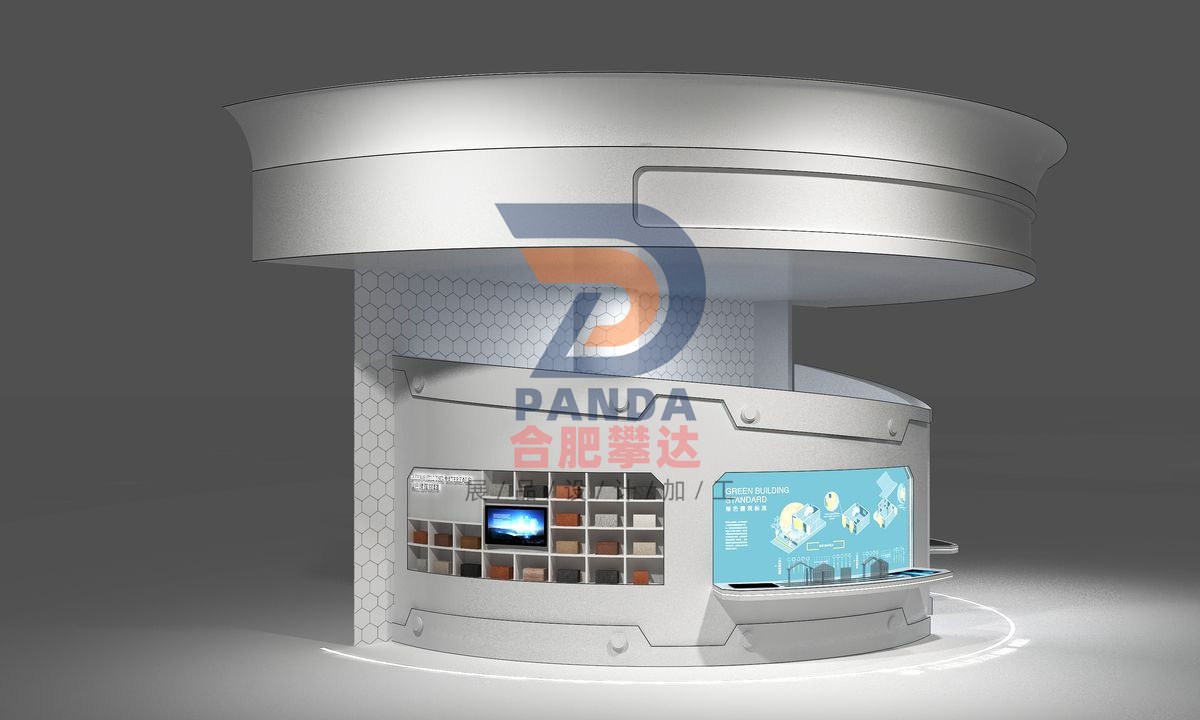
By assembling the walls, roofs, windows and other parts of the building, combined with multimedia interactive participation, the public can understand whether the assembled building meets the green building standards.
How to Operate
Green building refers to a building that saves resources (energy saving, land saving, water saving, material saving), protects the environment and reduces pollution to the maximum extent during the whole life cycle of the building, provides people with healthy, suitable and efficient space for use, and harmoniously coexists with nature.
(1) Wall: ① Brick wall is a traditional building wall material, which has the characteristics of hard texture, good pressure resistance, fire resistance, and good thermal insulation; ② Concrete wall is made of cement, sand, gravel and other materials, and has the advantages of high strength, sound insulation, and good thermal insulation. ③ Timber walls are natural, warm, and environmentally friendly, and are often used in buildings such as villas and holiday homes. ④ Composite material walls are walls composed of different materials, such as marble composite panels, color steel sandwich panels, etc., which have the characteristics of light weight, fire prevention, and thermal insulation.
(2) Roof: ① Thin-layer covered roof is a roof form covered with a variety of vegetation and materials. The thickness of the vegetation covering layer is generally 10 to 15 centimeters, which can reduce the internal temperature of the building and reduce rainwater erosion. It can also absorb carbon dioxide and release oxygen. ② Green roof is a roof form covered with shallow vegetation such as herbs and small shrubs. Its thickness is generally about 20 to 30 centimeters. Green roofs can increase the thermal insulation performance of the building, improve indoor comfort, and also increase the aesthetics of the building. ③Solar roof is a type of roof that installs solar photovoltaic panels on the roof and uses solar energy to convert it into electrical energy. Solar roofs can reduce energy consumption and improve the energy-saving performance of buildings. ④ Photocatalyst roof is a type of roof that uses photocatalytic action to degrade harmful gases by applying photocatalyst coating on the roof of a building. This type of roof can reduce air pollution and improve indoor air quality.
Windows: ① High-efficiency energy-saving windows are windows that achieve energy saving by using technologies such as heat insulation and sound insulation materials, multi-layer air interlayers, and low-emissivity films. This kind of window has good thermal insulation performance, which can effectively reduce indoor heat loss and reduce heating and cooling energy consumption. ② Dimmable windows: Dimmable windows are smart windows that can automatically adjust the light transmittance according to changes in indoor and outdoor light intensity. This kind of window can not only improve indoor lighting quality, but also reduce indoor heat loss, and has significant energy saving effect. ③ Nano-coated glass: Nano-coated glass is a glass material prepared using nanotechnology. It has the characteristics of heat insulation, UV protection, and self-cleaning. This kind of glass can lower the temperature inside the building and reduce the use of air conditioning, while also keeping the glass surface clean and transparent. ④ Nano-coated glass: Nano-coated glass is a glass material prepared using nanotechnology. It has the characteristics of heat insulation, UV protection, and self-cleaning. This kind of glass can lower the temperature inside the building and reduce the use of air conditioning, while also keeping the glass surface clean and transparent.
There are three arc-shaped tracks on the exhibit table, and an RFID reader is placed in the middle of each arc-shaped track, representing the wall, roof and window respectively. Since each electronic tag has an independent identification serial number, the electronic tags representing different types of walls, roofs, and windows are installed on the sliders of the corresponding tracks. According to the green building environmental protection functional system components provided on the screen, select and use the assembled building to carry out environmental protection and low-carbon transformation. After the assembly is completed, the assembly results and analysis will be displayed to verify whether the assembled building meets the green building standards. Different building combinations will receive different scores.
Related Exhibits
Need a quote for this piece or a full exhibit configuration? Tell us your venue area, theme direction, and budget range.