
Carbon Emissions from Power Generation
Earth & Planet · Interactive
- DimensionsSubject to on-site plan
- PresentationInteractive
- PricingQuoted by manufacture spec
Purpose & Scientific Principle
The exhibits set up an array of mechanical devices to simulate various commonly used power generation methods. Through interactive demonstrations combined with graphics and text, the audience can intuitively experience the carbon emissions of different power generation methods. Through comparison, the audience can have a comprehensive and profound understanding of various power generation methods and their carbon emissions.
How to Operate
Carbon emissions refer to the average greenhouse gas emissions produced during the production, transportation, use and recycling of the product.
Electricity and carbon: The transition to sustainable energy will require an unprecedented transformation of the energy system. A just transition will require large-scale electrification to meet the needs of heating homes and charging electric vehicles. Electricity generation capacity is expected to more than double by 2050 to reach carbon neutral levels. Therefore, electricity supply will come from a range of technologies. Policy equality for all low- and zero-carbon technologies is crucial.
The findings show that all technologies impact the environment and subsequently have economic and social impacts. Renewable energy technologies have significant environmental impacts over their lifetime. These impacts need to be taken into account when developing policy frameworks and long-term strategies. However, renewable energy remains the best option on the market.
Fossil fuels cause the most damage to the environment. Phasing out unchanged fossil fuels is critical to maintaining a 1.5-2°C path. Renewable energy sources such as wind and solar emit far fewer greenhouse gas emissions than fossil fuels, even as they increase. Nuclear and hydropower are also preferable to fossil fuels over the life cycle of the technology.
Coal: With an annual output of 900 watt hours (34% of total global electricity generation), coal-fired power generation remains an important source of energy worldwide. Due to their high reliance on hard coal and lignite, coal-fired power plants emit 20% of global greenhouse gas emissions.
Coal-fired power plants have commercial uses in a variety of designs. Today, the vast majority of power plants use "pulverized coal" (PC) technology, which involves finely grinding coal to prepare it for combustion and to operate steam turbines. Subcritical technology (the most common version of PC factories) has an average overall factory efficiency of 35%. Supercritical plants are also based on PC technology, but they achieve much higher internal pressures and temperatures than subcritical plants. The high pressure forces the water to remain a liquid rather than turning into vapor, which allows for higher efficiencies, often up to 40%. These two PC variants, subcritical and supercritical, are modeled in the present exercise. The third technology is integrated gasification combined cycle (IGCC). IGCC technology relies on converting coal into synthetic gas (rather than powder) before burning. The process allows for overall efficiencies typically in the range of 40% to 45%, with claims reaching 48%.
Power generation method Carbon emissions (g/kWh)
Coal 753-1095
Coal + carbon capture 140-470
Natural gas 403-513
Hydrogen energy 6.1-147
Nuclear energy 5.1-6.4
Photovoltaic 8-83
Wind energy 7.8-23
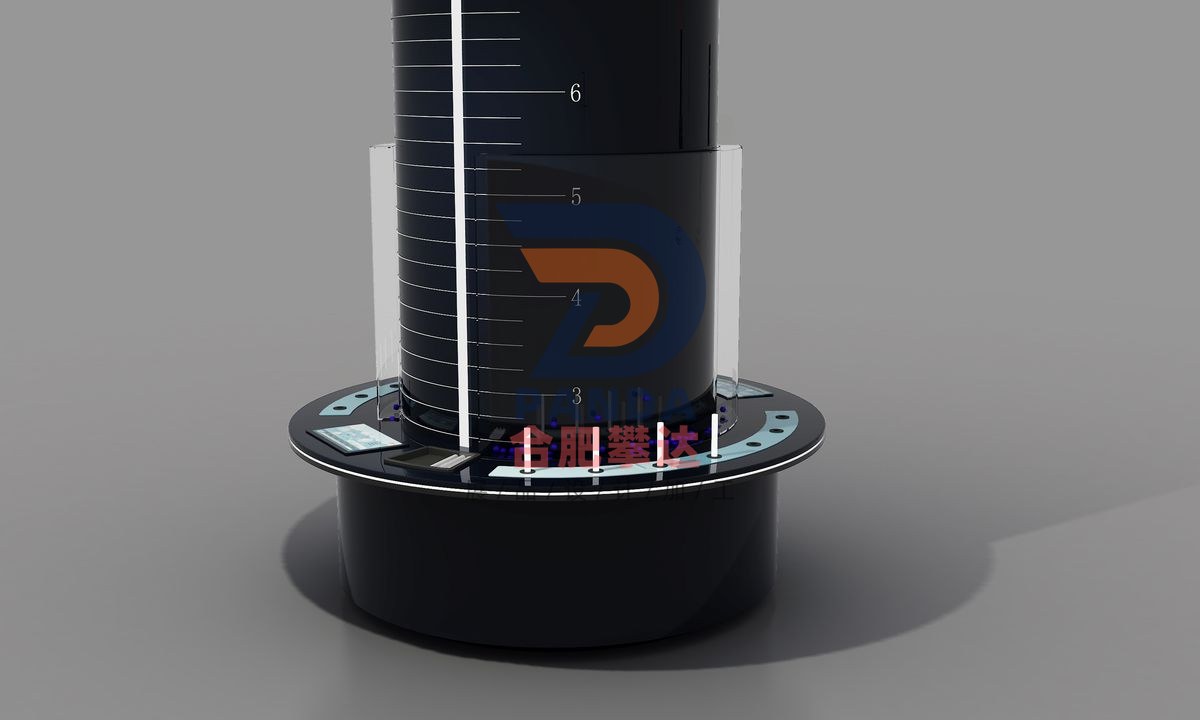
The exhibit simulates different power generation methods by setting up multiple sensing areas, light guide rods and interactive devices on the platform. Small balls representing carbon dioxide are set up in each area, and an adjustable blowing device is used to lift the small balls to the corresponding height. The scale pattern corresponding to this height represents the amount of carbon dioxide emitted per kilowatt-hour of this power generation form. The audience can intuitively experience the carbon emission process of various power generation methods in the interactive demonstration, and think about the carbon emissions and differences of various power generation forms.
Related Exhibits

Need a quote for this piece or a full exhibit configuration? Tell us your venue area, theme direction, and budget range.