
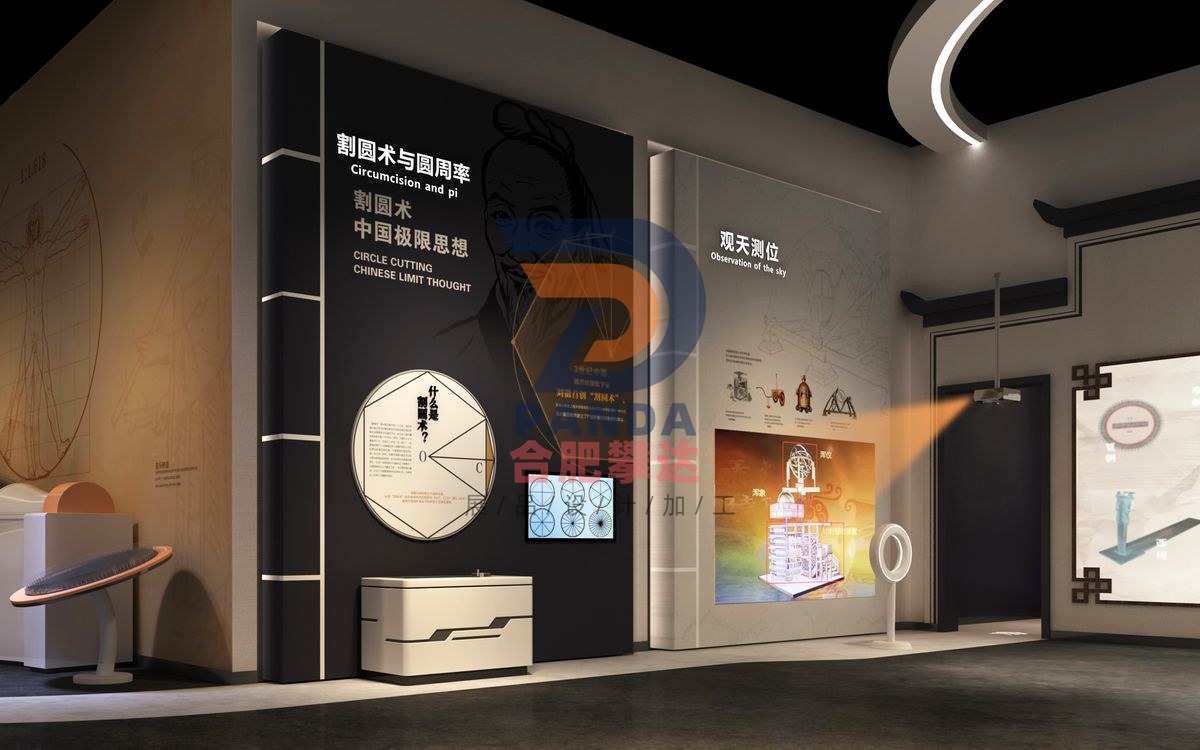
Circumsection and Pi
Mathematics · Interactive
- DimensionsSubject to on-site plan
- PresentationInteractive
- PricingQuoted by manufacture spec
Purpose & Scientific Principle
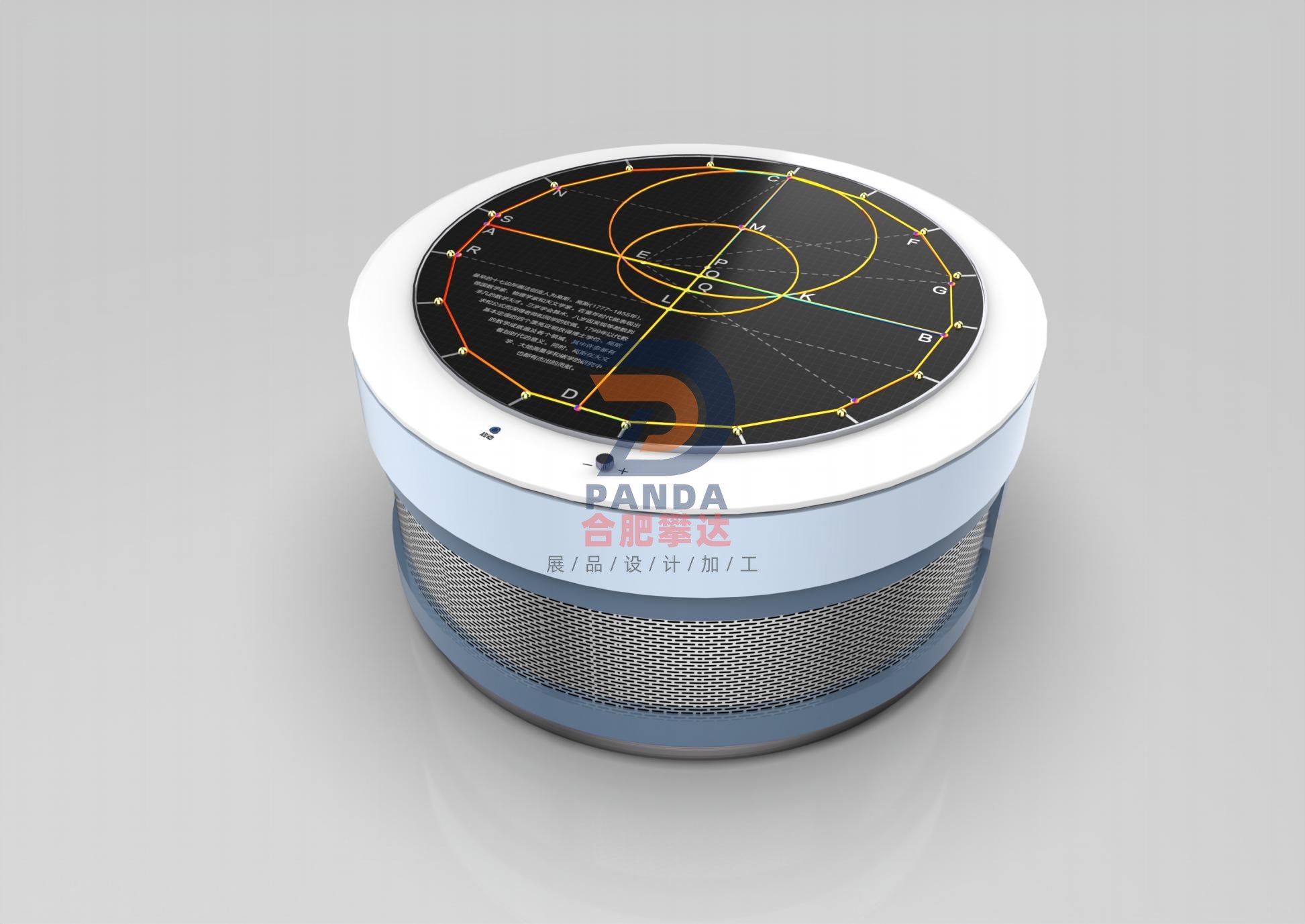
The exhibition displays "Circle", the ultimate Chinese idea, and the calculation of pi. It aims to show the great achievements of the ancient East in mathematical calculations and allow the audience to understand the mathematical wisdom of Chinese civilization.
How to Operate
In the mid-3rd century, Liu Hui, a mathematician from the Wei and Jin Dynasties, created the "Circle Cutting Technique". This was the first time in human history that limits and infinitesimals were introduced into mathematical proofs. It established a rigorous theory and a complete algorithm for calculating pi. The so-called "Circle Cutting Technique" is an idea of using the area of a circle inscribed in a regular polygon to infinitely approximate the area of a circle, that is, by inscribing a regular polygon in a circle to cut the circle, and making the circumference of the regular polygon infinitely close to the circumference of the circle.
Zu Chongzhi, a mathematician during the Northern and Southern Dynasties, based on Liu Hui's research, calculated that π is between 3.1415926 and 3.1415927, which is the world's earliest accurate value with seven decimal places.
Liu Hui used the method of cutting a circle, starting from the regular hexagon inscribed in the circle, and doubled the number of sides, that is, 12, 24, and calculated the side lengths of hexagons and dodecagons one by one. These values gradually approached pi. When he made a circle inscribed with 96 polygons, he found the pi ratio to be 3.14. This result was much more accurate than the ancient ratio. He calculated that the circle is inscribed in a regular 3072 polygon and obtained the approximate value of pi as 3927/1253 (i.e. 3.1416), which was the most accurate data of pi in the world at that time.
Related Exhibits
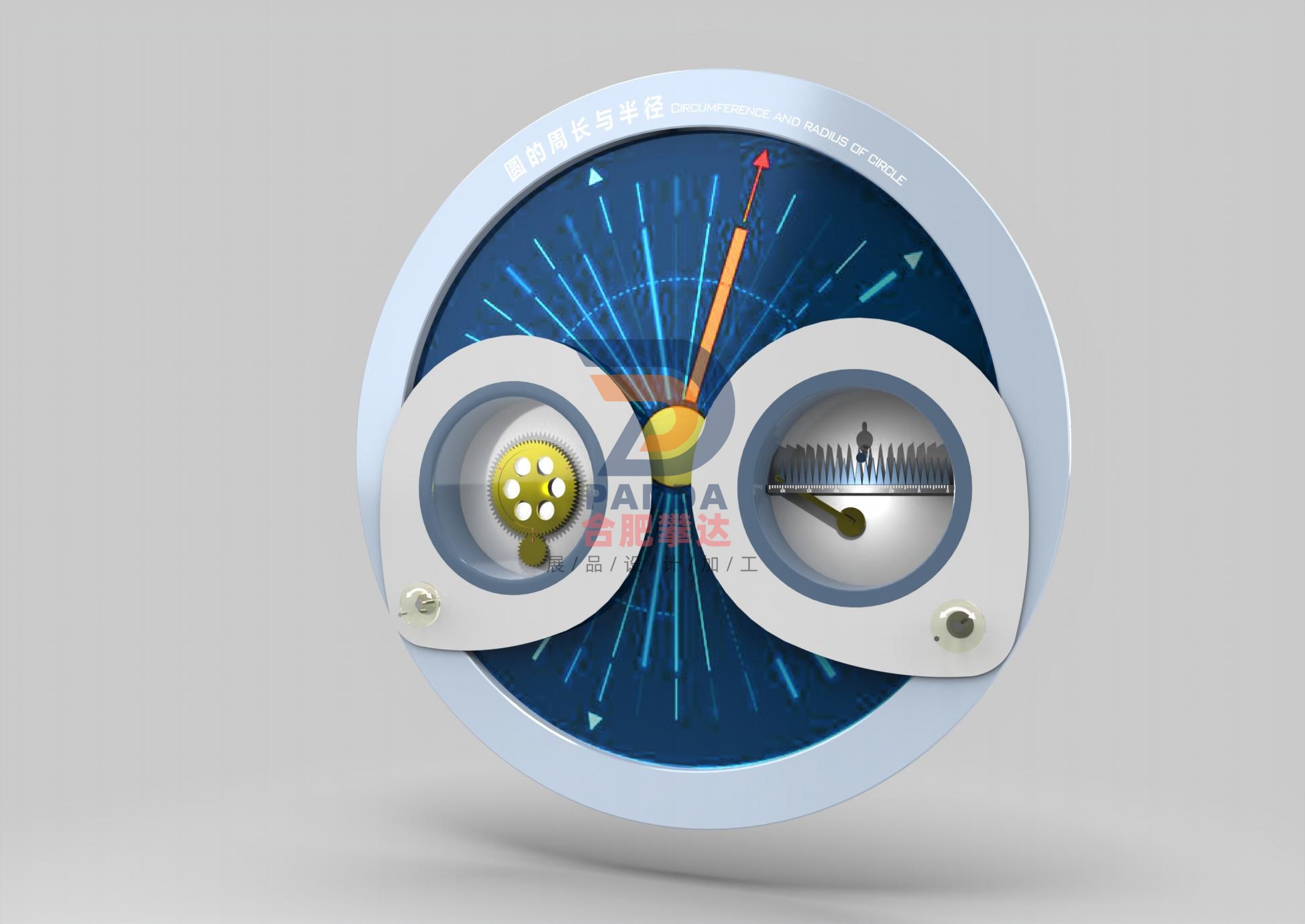

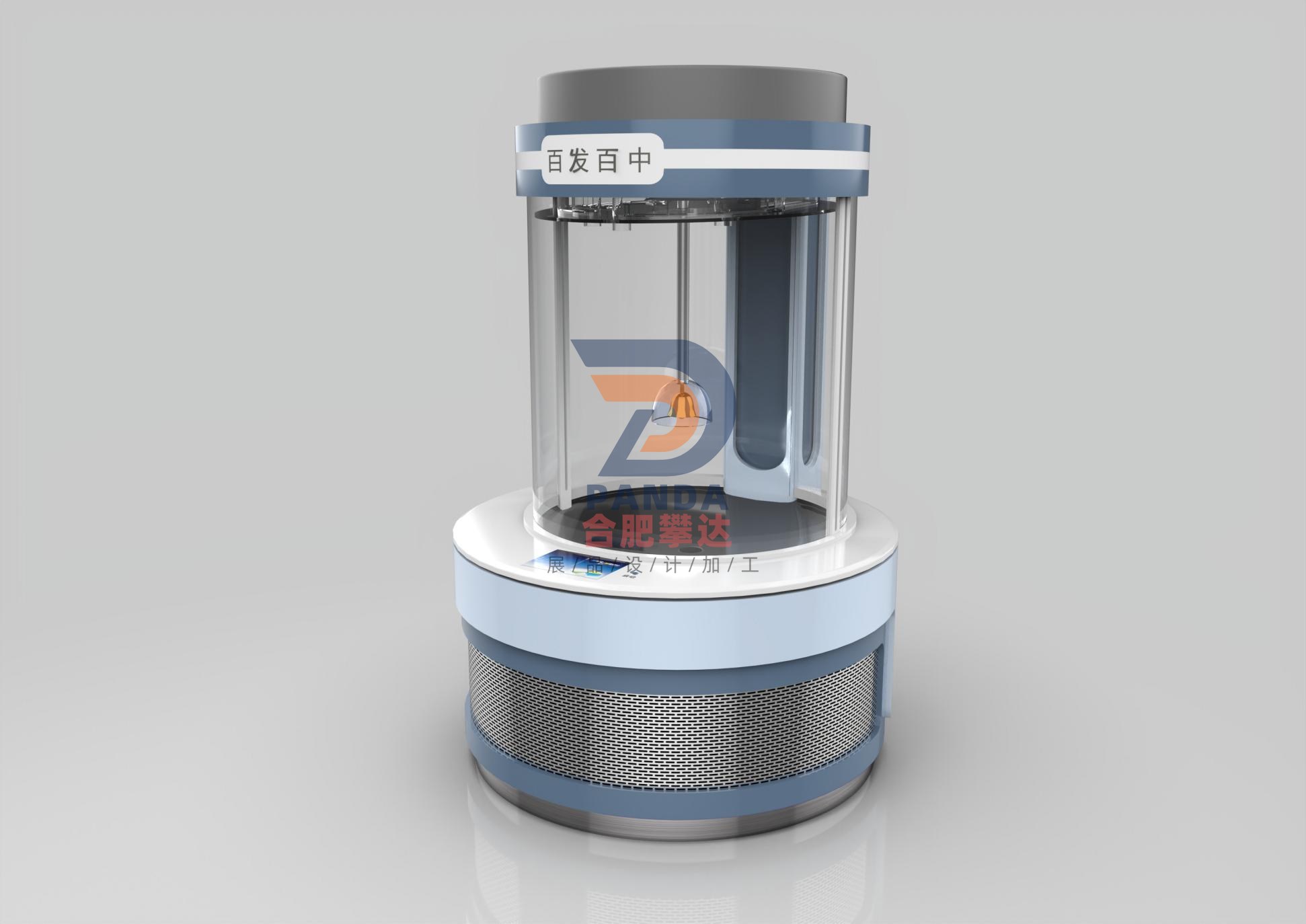

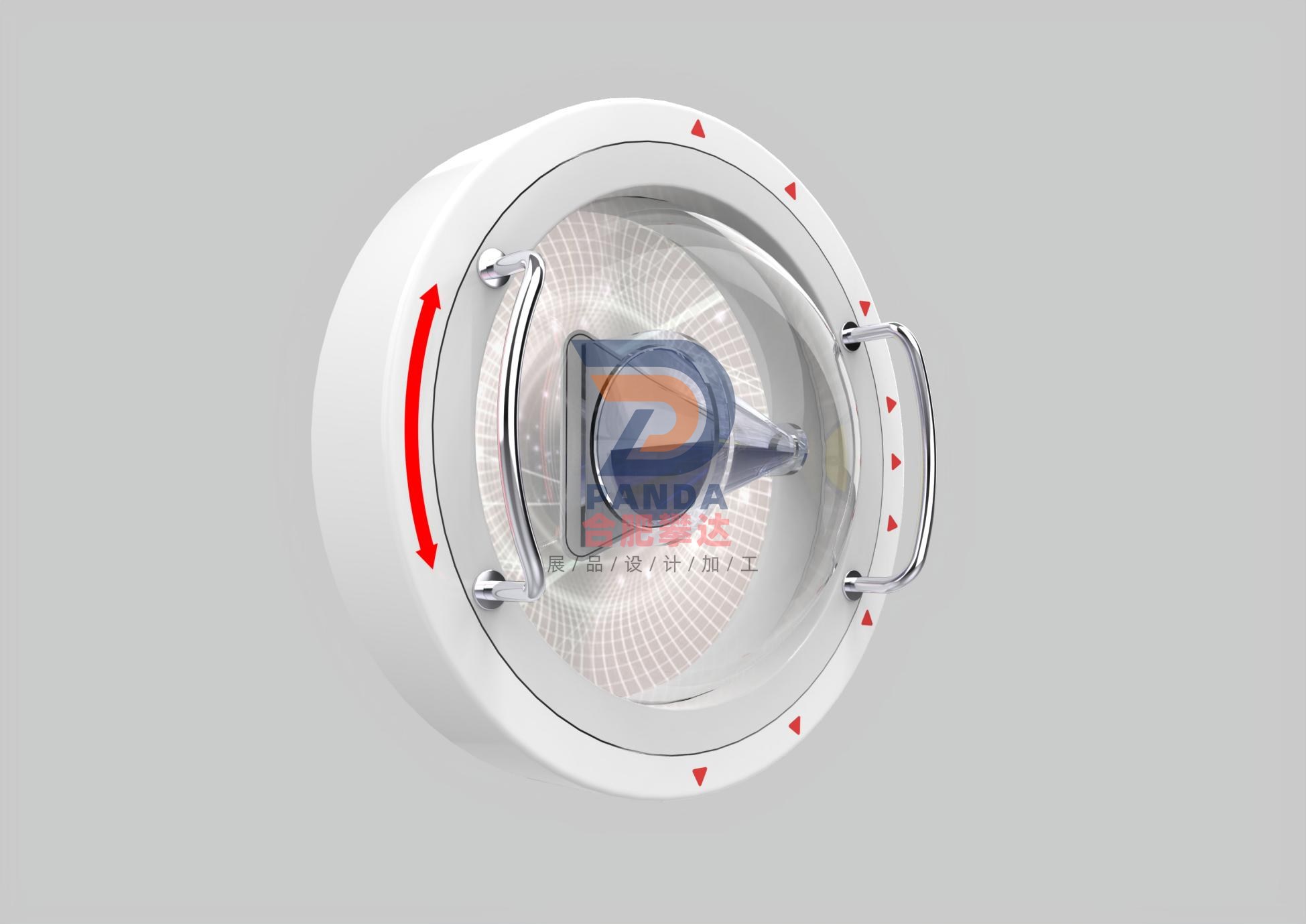
Need a quote for this piece or a full exhibit configuration? Tell us your venue area, theme direction, and budget range.